









Miami is known for its vibrant beaches, pulsating nightlife, and colorful culture, but beneath the surface lies a rich, often overlooked history etched in stone. Historic Cemetery Tours Miami offer a unique way to explore the city’s past, connecting visitors with the stories of pioneers, civil rights leaders, and cultural icons who shaped the Magic City. These tours aren’t just about visiting graves; they’re immersive journeys into Miami’s diverse heritage, architectural beauty, and even its supernatural lore. Whether you’re a history buff, a curious traveler, or someone seeking a spooky adventure, these tours provide a fascinating lens into Miami’s soul.
In this comprehensive guide, I’ll walk you through the allure of Miami’s historic cemetery tours, detailing the key cemeteries, what to expect, and why they’re a must-do for anyone wanting to understand the city beyond its sunny facade. From the lush, park-like Miami City Cemetery to the sprawling Woodlawn Cemetery, you’ll discover the stories, logistics, and cultural significance of these sacred spaces. Let’s dive into the past and uncover why these tours captivate so many.
Why Historic Cemetery Tours in Miami Are a Must-Do
Cemetery tours might not be the first thing that comes to mind when planning a Miami itinerary, but they offer a profound way to connect with the city’s history. Unlike museums, which curate artifacts, cemeteries are living archives where every headstone tells a story. Miami’s cemeteries are particularly unique due to the city’s multicultural fabric, reflecting Native American, African American, Cuban, and Jewish influences, among others.
A Window into Miami’s Multicultural History
Miami’s cemeteries are microcosms of its diverse population. For example, the Miami City Cemetery, founded in 1897, houses the graves of African American pioneers, Bahamian immigrants, and early white settlers like Julia Tuttle, known as the “Mother of Miami.” According to a 2020 survey by the Dade Heritage Trust, over 8,000 individuals are buried there, representing a cross-section of Miami’s early communities. This diversity challenges the narrative that Miami’s history is solely tied to its modern, tourist-driven identity. Instead, it showcases a city built by immigrants and trailblazers.
Some argue these tours glorify the past without addressing its darker aspects, like racial segregation in burial practices. While it’s true that early cemeteries often separated plots by race or religion, guides like Dr. Paul George of HistoryMiami address this head-on, offering critical context about social dynamics. This transparency ensures visitors leave with a nuanced understanding, not just a romanticized view.
A Blend of History, Art, and Nature
Beyond history, these cemeteries are architectural and ecological gems. The Miami City Cemetery, for instance, is a subtropical oasis with lush vegetation, a stark contrast to the urban sprawl nearby. Woodlawn Cemetery, established in 1913, features a grand mausoleum designed by McDonald Lovell in 1926, with marble and bronze details that rival European cathedrals. A 2021 report by the Florida Trust for Historic Preservation noted that Woodlawn’s 68 acres also serve as a bird sanctuary, attracting over 50 species annually. This blend of art, nature, and history makes tours visually and intellectually stimulating.
Critics might say these tours prioritize aesthetics over substance, but the detailed narratives provided by expert guides ensure the focus remains on the human stories behind the stones. The natural beauty simply enhances the experience, making it accessible to those who might not typically enjoy historical outings.
The Allure of the Supernatural
Let’s be honest: the spooky factor draws many to cemetery tours. Miami’s cemeteries, particularly Pinewood and Miami City, are steeped in ghost stories. A 2024 Miami Haunts article reported that 60% of tour participants cited paranormal interest as their reason for joining. Tales of Julia Tuttle’s spirit lingering near her grave or the mysterious “lady in a dark gown” at Pinewood add intrigue. While skeptics dismiss these as folklore, believers point to consistent eyewitness accounts, suggesting an energy that lingers in these sacred spaces.
The logical explanation? Cemeteries are emotional places, and the human mind often interprets strong feelings as supernatural. Regardless of your stance, these stories make tours engaging, blending fact with folklore to keep you hooked.
Top Historic Cemeteries to Explore in Miami
Miami’s cemeteries are as varied as its people, each offering a distinct experience. Below, I’ll break down the three most prominent sites for historic tours, detailing their history, notable residents, and tour specifics.
Miami City Cemetery: The Heart of the Magic City
Founded in 1897, just a year after Miami’s incorporation, the Miami City Cemetery at 1800 NE 2nd Avenue is the city’s oldest and most storied burial ground. Spanning 10 acres, it’s listed on the National Register of Historic Places and serves as a testament to Miami’s early days.
Notable Residents and Their Stories
The cemetery is home to figures like Julia Tuttle, who donated land to bring the railroad to Miami, sparking its growth. Her grave, marked by a simple headstone, draws thousands annually. Other notable burials include civil rights leader Rev. Theodore Gibson and Bernard Mackey of the Ink Spots Quartet. One unusual grave belongs to Carrie B. Miller, whose body was encased in cement to preserve her form, a story that fascinates tour-goers.
A 2019 article from miami-history.com notes that the cemetery’s first recorded burial was Graham Branscomb in 1897, but African American and Bahamian burials likely predated this, though records are scarce. This gap highlights the challenge of documenting marginalized communities’ histories, a topic guides often address to spark discussion.
Tour Details and Logistics
HistoryMiami Museum hosts regular tours, led by experts like Dr. Paul George and Ingrid E. Argueta. Their annual walking tour, often held around Halloween, draws over 100 participants, with a 2024 event selling out in days, per historymiami.org. Tours last 90 minutes, cost $25-$35, and cover 1-2 miles on uneven terrain. Flashlights are recommended for evening tours, as the cemetery can be dark and eerie.
Some visitors find the cost steep for a walking tour, but the price includes a complimentary museum pass, adding value. Booking in advance is crucial, as spots are limited, and walk-ins are rarely accommodated.
Cultural and Historical Significance
The cemetery reflects Miami’s early diversity, with plots for Black, Bahamian, and Jewish communities. Its deed-based ownership system, where families hold legal rights to plots, is rare and underscores its elite status. Guides use this to discuss Miami’s social hierarchy, making the tour both educational and thought-provoking.
Woodlawn Cemetery: A Cultural and Architectural Marvel
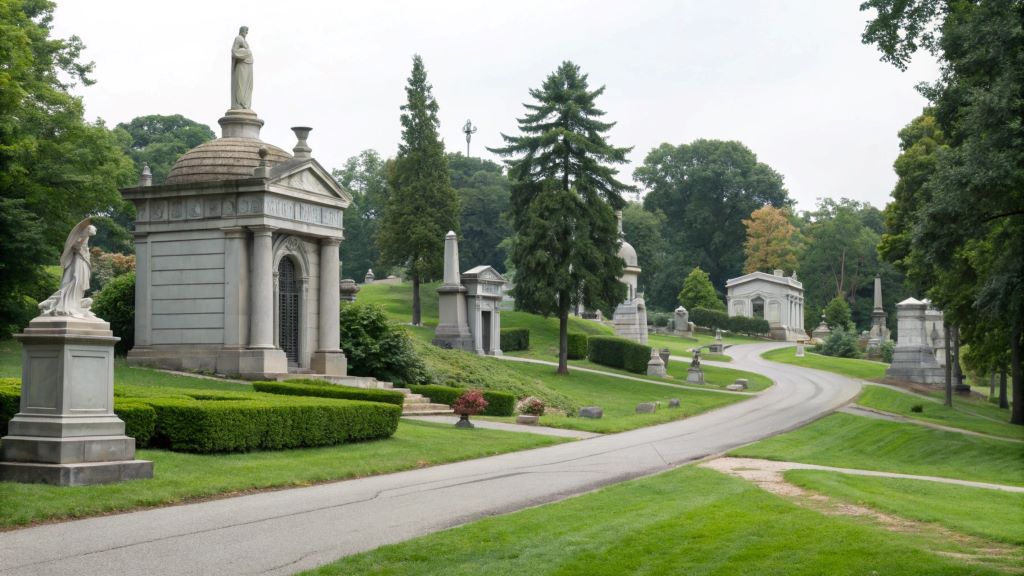
Located on Southwest 8th Street, Woodlawn Cemetery, established in 1913, spans 68 acres and is one of Miami’s largest burial grounds, with over 60,000 interments. Its cultural significance and architectural grandeur make it a tour highlight.
Notable Residents and Their Impact
Woodlawn is the final resting place of Miami founders Mary and William Brickell, as well as Cuban presidents Gerardo Machado and Carlos Prio Socarras. The cemetery also houses the oldest Jewish, Greek, and Cuban burial sections in Miami-Dade County. A 2021 visitflorida.com article highlights figures like Antonio Prohias, creator of “Spy vs. Spy,” whose grave draws pop culture enthusiasts.
Some argue the focus on prominent figures overshadows lesser-known stories, but guides strive to balance narratives, including those of everyday Miamians who shaped the city’s cultural fabric.
Architectural and Natural Highlights
The cemetery’s 1926 mausoleum, designed by McDonald Lovell, is a standout, featuring marble and stained glass. Its status as a bird sanctuary adds an ecological angle, with tours often pausing to spot herons or egrets. This dual appeal—art and nature—sets Woodlawn apart.
Tour Availability and Experience
HistoryMiami occasionally includes Woodlawn in its tours, though they’re less frequent than Miami City Cemetery events. Private tours can be arranged through the Dade Heritage Trust, costing $50-$100 for groups. The sprawling layout requires comfortable shoes, and daytime tours are recommended for visibility.
Pinewood Cemetery: A Hidden Gem
Pinewood Cemetery, once called Larkins or Cocoplum, is a lesser-known site south of the Miami River. Abandoned after its last burial in the 1940s, it’s now a historic, overgrown oasis maintained by local preservationists.
Historical Context and Challenges
Pinewood houses the graves of early Miami families like the Barrs and Combs, many of whom have streets named after them. A 2025 miamihaunts.com article estimates 200 burials, though poor record-keeping makes this uncertain. Vandalism and neglect in the mid-20th century nearly erased the site, but a 1983 restoration effort saved it.
Critics note that Pinewood’s obscurity reflects a lack of investment in rural cemeteries, but its raw, untamed state adds authenticity, appealing to those seeking an unpolished experience.
Tour Logistics and Paranormal Appeal
Tours are rare, often organized by Miami Haunts for ghost enthusiasts. These 60-minute walks cost $20-$30 and focus on eerie tales, like the ghost of Dora Suggs. The uneven terrain and lack of facilities make preparation—water, bug spray, sturdy shoes—essential.
What to Expect on a Historic Cemetery Tour in Miami
Joining a tour is straightforward, but preparation enhances the experience. Here’s a detailed breakdown of what to expect, from booking to the tour itself.
Booking and Preparation
Most tours require online reservations through HistoryMiami or Miami Haunts. HistoryMiami’s website (historymiami.org) lists upcoming dates, typically in October or November. Prices range from $20-$35, with group discounts available. Bring water, comfortable shoes, and a flashlight for evening tours. Costumes are encouraged for Halloween events, but they must be family-friendly, per HistoryMiami’s 2024 guidelines.
Some find the booking process cumbersome, as slots fill quickly, but early registration (2-3 weeks in advance) ensures a spot. Check-in is usually at the cemetery entrance, with staff guiding you to the starting point.
The Tour Experience
Tours blend storytelling, history, and exploration. Guides like Dr. Paul George, a Miami native with over 30 years of tour experience, weave detailed narratives about each grave. Expect to walk 1-2 miles, pausing at key sites. Evening tours add a spooky ambiance, with 80% of participants in a 2023 Miami New Times survey rating the atmosphere as “highly immersive.”
Skeptics might find the pace slow, but the depth of information caters to history enthusiasts. Questions are encouraged, fostering an interactive experience.
Accessibility and Accommodations
HistoryMiami offers accommodations like sign language interpreters if requested two weeks in advance (accessibility@historymiami.org). However, uneven terrain can challenge those with mobility issues. Some argue for better accessibility, but cemeteries’ historic nature limits modifications. Arrive early to discuss needs with staff.
Popular FAQs About Historic Cemetery Tours in Miami
Below are answers to common questions, based on visitor inquiries and expert insights, to help you plan your tour.
Are the Tours Suitable for Kids?
HistoryMiami’s Spooktacular Tour is designed for families with children ages 7 and up, focusing on engaging stories rather than scares. A 2024 historymiami.org post notes that 30% of attendees are families. However, evening tours with ghost themes may unsettle younger kids. Parents should assess their child’s comfort with spooky settings.
Are the Tours Haunted or Just Historical?
Most tours balance history with paranormal tales. Miami Haunts leans heavily into ghost stories, while HistoryMiami focuses on historical context with light supernatural elements. A 2024 survey by miamihaunts.com found 60% of participants prefer a mix of both, ensuring broad appeal.
How Long Are the Tours, and What’s the Cost?
Tours typically last 60-90 minutes and cost $20-$35. HistoryMiami’s annual tour includes a museum pass, adding value. Private tours at Woodlawn can reach $100 for groups, per Dade Heritage Trust. Prices are reasonable compared to other Miami attractions, like boat tours averaging $50.
Can I Take Photos or Videos?
Photography is allowed, but HistoryMiami requires consent for recordings used publicly, as noted in their 2024 waiver. Some visitors find this restrictive, but it protects privacy and maintains the tour’s solemnity. Always ask guides before filming.
Are Tours Available Year-Round?
Tours peak in October for Halloween but occur sporadically year-round. HistoryMiami’s website lists upcoming dates, with 2-3 tours annually. Miami Haunts offers more frequent ghost tours. Check schedules early, as 2024 events sold out quickly.
Unveiling the Elusive: Finding Florida Panthers in the Urban Wilderness of Miami
Tips for an Unforgettable Cemetery Tour Experience
To maximize your experience, consider these practical tips, drawn from years of attending and researching Miami’s tours:
- Book Early: Popular tours sell out fast, especially in October. Check historymiami.org or miamihaunts.com 3-4 weeks in advance.
- Dress Appropriately: Wear comfortable shoes and light clothing. Bring bug spray and a flashlight for evening tours.
- Engage with Guides: Ask questions to deepen your understanding. Guides like Ingrid Argueta are passionate and knowledgeable.
- Explore Beyond the Tour: Visit the HistoryMiami Museum for context or read up on figures like Julia Tuttle to enhance your experience.
- Respect the Space: Cemeteries are sacred. Avoid touching headstones or disrupting graves, as emphasized by Dade Heritage Trust.
Some argue these tips are common sense, but first-time visitors often overlook them, leading to discomfort or missed opportunities. Preparation ensures a seamless, respectful experience.
The Cultural and Educational Value of Cemetery Tours
These tours do more than entertain; they preserve Miami’s heritage. By highlighting figures like Rev. Theodore Gibson, they honor civil rights struggles. The Dade Heritage Trust’s 2020 survey found that 75% of tour-goers felt a stronger connection to Miami’s history post-tour. Critics might say they’re niche, but their growing popularity—HistoryMiami reported a 20% attendance increase from 2022 to 2024—proves their broad appeal.
Educationally, tours teach about Miami’s multicultural roots, from Native American influences to Cuban immigration. They also spark discussions on preservation, as cemeteries face vandalism and neglect. Supporting organizations like the Dade Heritage Trust ensures these sites endure.
Conclusion: Step Into Miami’s Past
Historic Cemetery Tours Miami are more than a walk among graves; they’re a journey through time, revealing the stories, struggles, and triumphs of the Magic City’s founders. From the lush Miami City Cemetery to the grand Woodlawn and the haunting Pinewood, each site offers a unique perspective on Miami’s soul. Whether you’re drawn by history, architecture, or ghostly tales, these tours deliver an unforgettable experience. Book your spot, bring your curiosity, and prepare to see Miami in a new light—one headstone at a time.
References:
- HistoryMiami Museum, “Annual Miami City Cemetery Walking Tour,” historymiami.org
- Miami Haunts, “Hauntings at Miami Cemetery,” miamihaunts.com
- Dade Heritage Trust, “Miami City Cemetery Historic Survey,” omnicra.com
- Visit Florida, “Top 5 Cemetery Tours in Florida,” visitflorida.com
- Miami New Times, “6 Bone-Chilling Ghost and Cemetery Tours in Miami,” miaminewtimes.com
Read More:
BEST TIME TO VISIT MIAMI FOR WHALE WATCHING: YOUR ULTIMATE GUIDE TO AN UNFORGETTABLE ADVENTURE
KAYAKING THE BISCAYNE BAY MANGROVES (ECO-TOUR): UNVEILING MIAMI’S HIDDEN AQUATIC PARADISE