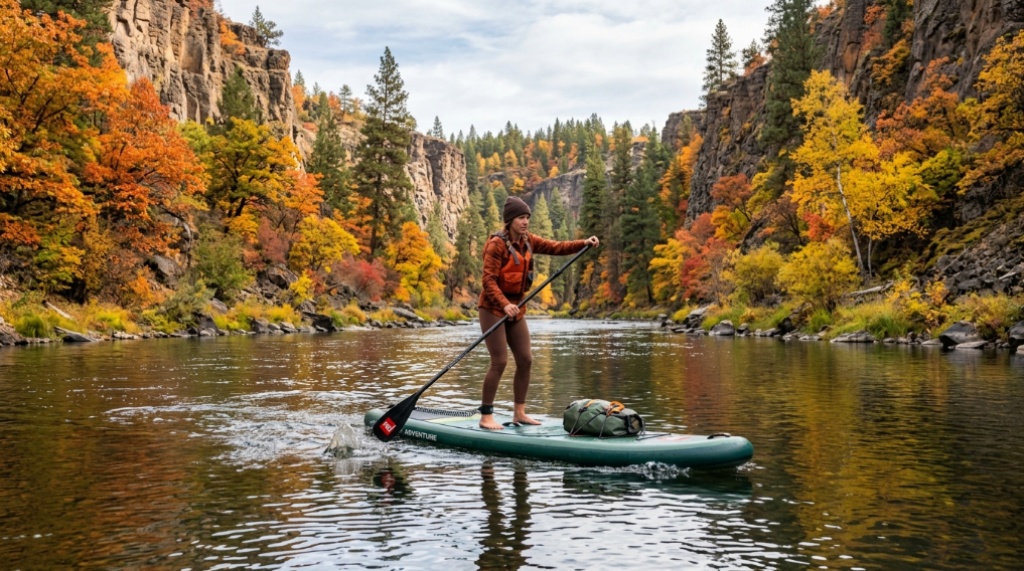









Oregon doesn’t have one signature paddle destination — it has half a dozen, and most sit within a few hours of each other. In a single weekend you could drift across a glassy Cascade lake fed by snowmelt, ride a steady downwind push through the Columbia River Gorge, and finish in a tidal estuary where the current does most of the work. That range, not any single river or lake, is what pulls paddlers in from across the West. It also means gear choice depends heavily on where you plan to paddle, so it’s worth reading field notes from people who have actually used specific boards on Oregon water check out this review for one concrete example — before assuming any board will handle everything the state throws at it.
Quick Answer
Oregon is popular for paddle sports because it packs an unusual range of water into a compact area: the wind-driven Columbia River Gorge, calm Cascade alpine lakes, high desert rivers like the Deschutes, tidal coastal estuaries, and the Willamette River running through Portland. Mild summers, plentiful public access, and a strong rental and instruction scene make it easy to try several disciplines in one trip. The trade-offs are real: cold water year-round, wind that can turn a calm morning into a workout, and permit and PFD rules that catch visiting paddlers off guard.
Key Takeaways
- Oregon’s main advantage is variety — flatwater, moving water, coastal estuaries, and world-class wind all sit within a few hours’ drive.
- Water stays cold even in midsummer, so dress for immersion rather than air temperature.
- Wind in the Columbia Gorge is a feature for experienced paddlers and a genuine hazard for beginners on inflatables.
- Oregon requires a Waterway Access Permit for many non-motorized craft 10 feet and longer, and a properly fitted PFD is mandatory on the water.
- Timing matters more than location: early mornings give flat water, late summer brings wildfire smoke and algal blooms in some waterways.
The Real Draw: Five Distinct Paddling Zones in One State
Most states have one or two paddle regions worth traveling for. Oregon has at least five, and they behave completely differently from one another. Understanding which zone matches your skill level and goals is the single most useful planning decision you can make.
| Zone | Best for | Conditions to expect | Watch out for |
|---|---|---|---|
| Columbia River Gorge (Hood River area) | Downwind SUP, winging, windsurfing, kiteboarding | Strong, reliable summer wind; deep, cold water | Wind strength and gusts; hard to self-rescue if separated from your board |
| Cascade Lakes (Bend and Santiam Pass areas) | Flatwater touring, beginner sessions, scenery | Calm mornings, cool snowmelt-fed water | Afternoon wind picks up; cold water even in August |
| Willamette River and Portland waterways | Urban paddling, short after-work sessions | Mild current, boat wakes, accessible launches | Motor traffic, summer algal blooms in slower stretches |
| Oregon Coast estuaries and bays | Sheltered coastal paddling, wildlife viewing | Tidal current shifts, fog, cool air | Tide timing, cold water, swell at bay mouths |
| High desert rivers (Deschutes, John Day) | Moving-water skills, multi-day trips | Season-dependent flows, warm air | Rapids, shifting flows through irrigation season |
Why the Columbia River Gorge Is Unlike Anywhere Else
The Gorge is the reason Oregon shows up in conversations about wind sports at all. In summer, temperature differences between the hot interior and the cooler coast drive a pressure gradient that funnels steady wind through the river corridor, often building through the afternoon. Hood River sits at the center of it, and the town’s entire identity — rental shops, schools, shuttle services — is built around that wind.
For experienced paddlers, this creates ideal downwind conditions: you launch upriver, ride the wind and current down, and get picked up at the other end. For beginners, the same wind is a problem. An inflatable board that feels stable on a lake can become difficult to control or even to climb back onto when wind pushes it faster than you can swim. If you’re new to paddle sports, treat the Gorge as a place to watch and take a lesson rather than a place to self-launch on a windy afternoon.
Matching Oregon Water to Your Skill Level
Flatwater and beginner-friendly options
The Cascade Lakes along the Santiam and Cascade Lakes Highway corridors offer the gentlest introduction. Many have developed boat ramps, designated swim areas, and predictable morning calm. Waldo Lake, where gasoline motors are prohibited, is known for exceptional water clarity and a quiet paddling experience. Closer to Portland, Hagg Lake and the Multnomah Channel around Sauvie Island provide easy half-day options without committing to a mountain drive.
Moving water and downwind paddling
The Deschutes River near Bend is the state’s most accessible moving-water resource, with stretches ranging from relaxed floats to sections requiring real eddy-turn skills. The in-town Bend Whitewater Park adds constructed features and a designated passage that separates paddlers from casual tubers. If you’re stepping up from flatwater, take a skills course before running anything with current — reading flow and ferrying across a river is a different skill set from paddling a lake.
Coastal and estuary paddling
Oregon’s ocean coast is not a casual SUP environment. Surf, swell, fog, and cold water make open-ocean paddling a serious undertaking. The sheltered bays and estuaries — Nehalem, Netarts, Siletz, Tillamook, Coos — are far more forgiving and often spectacular for wildlife. The catch is tide. A bay that looks calm at slack tide can run hard on an outgoing tide, and timing your session around the tide table is not optional here.
How Oregon’s Climate Shapes the Paddle Season
Oregon’s paddle season is longer than many visitors expect, but it doesn’t look the same month to month. Spring means high, cold runoff in rivers and snow still on the higher lakes. Summer delivers the most consistent conditions: warm air, reliable wind in the Gorge, and calm mornings nearly everywhere. Fall is arguably the best window for flatwater, with warm water, cooler air, and fewer people on the water.
Two seasonal factors deserve real planning. First, wildfire smoke has become a recurring late-summer issue in parts of the state, and it can cancel a trip regardless of how good the water is. Second, several Oregon waterways — including slower stretches of the Willamette and some lakes — experience harmful algal blooms in warm, low-flow conditions. Check current advisories before you launch, and don’t paddle water under an active bloom advisory, If you are planning a trip to a different climate after your time on the water, check out our guide on protecting your gear outdoor gear from saltwater corrosion in miami
Rules and Safety Details Visitors Commonly Miss
Oregon requires a Waterway Access Permit for non-motorized boats 10 feet and longer, which includes many touring and inflatable paddleboards. Permits are available in short-term and multi-year options through the Oregon State Marine Board, so confirm current requirements before your trip rather than assuming your home state’s rules apply.
A properly fitted personal flotation device is required on the water, and wearing it — not just carrying it — is the norm among experienced paddlers here for good reason. Water temperatures in snowmelt-fed lakes and rivers often stay in the 50s Fahrenheit through summer. Cold water shock can impair breathing and swimming ability within the first minute of immersion, which is why board leashes, quick-dry insulation, and a reliable way to reboard matter more in Oregon than in warmer paddling regions.
Common Mistakes Paddlers Make on a First Oregon Trip
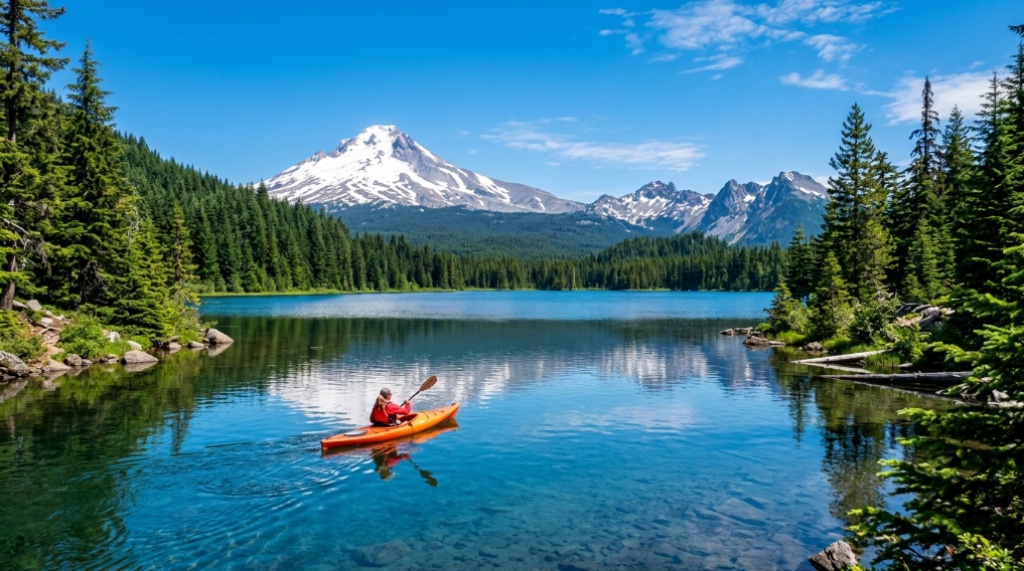
- Dressing for the air, not the water. A 85°F afternoon at a Cascade lake still means cold water beneath you.
- Launching in the Gorge in the afternoon. Wind builds through the day; mornings are dramatically calmer.
- Ignoring tide tables on the coast. Estuary currents can be stronger than you expect.
- Assuming one board handles everything. A board that suits flatwater touring may be a poor match for wind and chop.
- Skipping permit and PFD checks. These are enforced, not advisory.
- Planning around a single lake. Smoke, wind, or crowds can close off one option; having a backup zone nearby saves the day.
When Oregon Might Not Be the Right Fit
Oregon rewards flexibility. If you want guaranteed warm, bath-like water and predictable calm conditions, the state will frustrate you — the Pacific Northwest is cold, and its weather changes quickly. If you only have a few days and can’t shift plans when wind or smoke moves in, you may get less paddling than you hoped. And if you’re a true beginner looking for a low-stakes first session, the Gorge and the open coast are the wrong places to start; the inland lakes and protected bays are where you want to be.
Frequently Asked Questions
Do you need a permit to paddleboard in Oregon?
Many non-motorized craft 10 feet and longer require a Waterway Access Permit, which covers paddleboards in that size range. Short-term and multi-year permits are available. Rules and fees can change, so verify current requirements with the Oregon State Marine Board before you go.
Is the Columbia River Gorge good for beginner paddleboarders?
Generally no, at least not on windy afternoons. The Gorge is famous for strong, consistent wind that makes it excellent for experienced downwind paddlers and wind sports, but difficult for beginners. Start on a calm lake or take a lesson with a local school before paddling the Gorge.
What is the best time of year to paddle in Oregon?
Late summer and early fall offer the most consistent combination of warm air, manageable water levels, and calm mornings. Spring brings cold, high runoff, and late summer can bring wildfire smoke and algal bloom advisories in some waterways.
Is the water in Oregon lakes warm enough to paddle without a wetsuit?
Often not. Many Oregon lakes and rivers are fed by snowmelt and stay cold even in midsummer. A wetsuit or other immersion protection is a reasonable default, especially on the coast, in rivers, and at higher-elevation lakes.
Can you paddle on the Oregon coast?
Yes, but sheltered bays and estuaries are far safer than open ocean. Surf, swell, fog, and cold water make exposed coastal paddling a serious endeavor. If you do paddle a bay, plan around the tide table and watch for outgoing currents.
What board works best for Oregon conditions?
It depends on where you’ll paddle most. Stable, wider boards suit calm lakes and easy rivers, while narrower touring shapes track better for distance. If you’ll be in wind, prioritize a board you can remount easily and control in chop over one built purely for speed.
Conclusion
Oregon earns its reputation less from any single landmark and more from density: alpine lakes, a wind tunnel of a river gorge, desert rivers, and tidal estuaries all within a day’s drive. The practical approach is to pick one zone per trip, plan around morning calm and tide tables, dress for cold water, and confirm permit and PFD requirements before you launch. Do that, and the state’s variety becomes an advantage instead of a complication.