









Miami pulses with vibrant nightlife, sun-soaked beaches, and a cultural tapestry that draws millions. Yet, beyond the neon lights and bustling streets lies a hidden world where one of North America’s most majestic predators roams: the Florida panther. Finding Florida Panthers in the Urban Wilderness of Miami is not just a quest for wildlife enthusiasts but a journey into the heart of a conservation saga. This endangered big cat, a symbol of Florida’s wild heritage, navigates a shrinking landscape squeezed by urban sprawl. With fewer than 230 individuals left in the wild, their survival hinges on our understanding and action. Let’s dive into their world, exploring where they roam, the challenges they face, and how Miami’s urban jungle can coexist with these elusive creatures.
The Florida Panther: A Majestic Yet Endangered Icon
Who Is the Florida Panther?
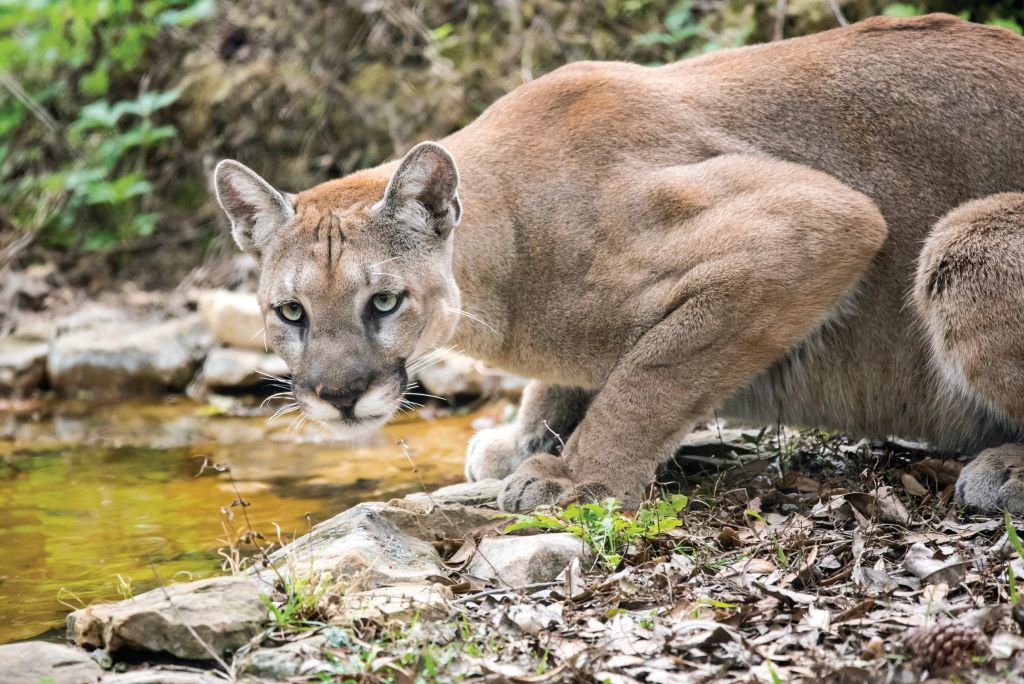
The Florida panther, a subspecies of the North American cougar (Puma concolor coryi), is a large, tan feline with a creamy white underbelly and distinctive black markings on its ears and tail. Males can weigh up to 160 pounds and stretch seven feet from nose to tail, while females are smaller, averaging 70-100 pounds. Unlike lions, panthers can’t roar but communicate through purrs, hisses, and yowls. Their solitary nature, except during mating or rearing kittens, makes sightings rare, adding to their mystique.
Why It Matters: As an umbrella species, protecting panthers preserves vast ecosystems, benefiting species like white-tailed deer and Florida black bears. Their presence indicates a healthy environment, but their low numbers signal an ecosystem under stress.
A Historical Perspective
Once roaming from Florida to Arkansas, panthers occupied diverse habitats across the Southeast. By the 1970s, hunting and habitat loss reduced their population to a mere 20-30 individuals, confined to South Florida’s swamps and forests. A 1995 genetic restoration program, introducing eight female Texas cougars, boosted numbers to an estimated 120-230 by 2024. However, they now inhabit just 5% of their historic range, primarily south of the Caloosahatchee River.
Statistical Insight: The U.S. Fish and Wildlife Service reports a population rebound from 10 in the 1960s to over 200 today, yet the species remains endangered due to habitat constraints.
Opinion: Conservationists celebrate this recovery, but critics argue the population is still too small to be sustainable, citing genetic vulnerabilities and habitat fragmentation. The logic is clear: a species with such a limited range faces heightened extinction risks from disease or disasters.
Where to Find Florida Panthers in Miami’s Urban Fringe
Habitats in and Around Miami
Florida panthers thrive in pinelands, tropical hardwood hammocks, and freshwater swamp forests. In Miami-Dade County, they’re spotted in rural areas like the Everglades National Park, Big Cypress National Preserve, and Florida Panther National Wildlife Refuge. These areas offer dense vegetation for stalking prey and denning. However, urban encroachment pushes panthers into Miami’s fringes, including agricultural lands and even suburban green spaces.
Data Point: The Florida Fish and Wildlife Conservation Commission (FWC) notes panthers use a mosaic of habitats, moving from wetlands during the day to grasslands at night.
Expert Insight: “Panthers need large, connected territories,” says Elizabeth Fleming of Defenders of Wildlife. “Miami’s growth fragments these spaces, forcing panthers into riskier areas.” This explains occasional sightings near Homestead or along Krome Avenue, where panthers cross roads seeking prey or mates.
Challenges of Urban Proximity
Miami’s population, nearing 22 million statewide, grows by over 900 people daily. This fuels urban sprawl, reducing panther habitat by up to 2% annually. Roads like I-75 and US 27 slice through their territory, increasing vehicle collisions, the leading cause of panther deaths. In 2023, FWC recorded 30 panther fatalities from cars, a stark rise from 25 in 2016.
Counterpoint: Some developers argue that economic growth justifies land use, proposing mitigation like wildlife crossings. However, the logic falters: crossings help but can’t replace lost habitat. Each lost acre shrinks the panther’s ability to roam, hunt, and reproduce.
Solution: Conservation easements, like the 661-acre Hendrie Ranch deal in 2023, prevent development while allowing ranching, preserving panther corridors.
Threats to Florida Panthers in Miami’s Urban Wilderness
Habitat Loss and Fragmentation
Urban development converts forests and wetlands into subdivisions and monoculture farms. This fragments panther habitats, isolating populations and reducing genetic diversity. The Caloosahatchee River acts as a natural barrier, discouraging northward expansion, while roads create deadly obstacles.
Statistic: Male panthers require 200 square miles, females about 75. With Miami-Dade’s rapid growth, available habitat is critically limited.
Opinion: The Nature Conservancy emphasizes that protecting corridors like the Florida Wildlife Corridor is vital. Skeptics, however, question the feasibility of preserving large swaths amid Florida’s growth. The logic supports conservation: connected habitats reduce inbreeding and boost resilience.
Vehicle Collisions
Roads are a death trap for panthers. Between 2014 and 2021, vehicle collisions accounted for most recorded deaths. Hotspots like SR 82 in Collier County see frequent incidents due to high traffic and panther crossings.
Data: A 2024 FDOT report identifies nine funded wildlife crossing projects, with three new ones planned for 2025, including one on US 27.
Solution: Wildlife crossings, like the Bear Island underpass, have proven effective, with camera traps showing panther use. Expanding these, alongside reduced speed zones, could save lives. Public awareness campaigns urging drivers to slow down at dusk and dawn, when panthers are active, are also critical.
Health and Genetic Challenges
Inbreeding in the 1980s caused kinked tails and heart defects. While the Texas cougar introduction helped, new threats like feline leukomyelopathy (FLM), a neurological disorder, emerged in 2018. By 2020, FWC confirmed nine cases, with 29 probable ones affecting panthers and bobcats.
Expert Opinion: “FLM’s cause is unknown, but environmental toxins are suspected,” says Tindl Rainey of the Fish & Wildlife Foundation of Florida. Some researchers argue it’s a natural mutation, but the consensus leans toward human-induced stressors like pesticides.
Solution: Ongoing FWC research, funded by a $150,000 grant, aims to identify FLM’s cause. Meanwhile, maintaining genetic diversity through habitat connectivity is essential.
Conservation Efforts: Solutions for Coexistence
Building Wildlife Corridors
The Florida Wildlife Corridor, an 18-million-acre network, connects public and private lands from the Everglades to Georgia. Organizations like The Nature Conservancy have protected thousands of acres, including 2,800 south of the Caloosahatchee River in 2015.
Impact: These corridors allow panthers to roam safely, reducing human-wildlife conflict. A 2023 study showed increased panther movement in protected areas.
Actionable Step: Support Florida Forever, a state program funding land acquisition. Advocate for policies prioritizing corridor expansion over development.
Wildlife Crossings and Fencing
FDOT’s Florida Panther Conservation Plan, launched in 2024, funds crossings and fencing. Projects like the I-4 overpass and SR 82 underpass aim to reduce collisions. Wildlife exclusionary fencing along I-75’s Alligator Alley has already lowered fatalities.
Evidence: A 2019 USFWS photo captured a panther using the Bear Island crossing, proving their efficacy.
Call to Action: Urge local governments to prioritize crossing projects in budgets. Residents can report panther sightings to FWC, aiding hotspot identification.
Engaging Private Landowners
Over half of Florida’s land is privately owned, making ranchers key allies. A 2024 $1.5 million grant incentivizes landowners with 500+ acres to maintain panther-friendly habitats.
Why It Works: Ranchlands provide open spaces and prey like feral hogs. Conservation easements ensure these lands stay undeveloped, benefiting panthers and ranchers economically.
How to Help: Donate to organizations like the Fish & Wildlife Foundation of Florida, which fund these programs. Encourage local ranchers to participate.
Living with Panthers: Safety and Coexistence
Are Panthers Dangerous to Humans?
Panthers are shy and avoid humans. No recorded attacks on humans have occurred in Florida, unlike western cougars. However, as Miami expands into their habitat, encounters may rise.
Safety Tip: If you spot a panther, keep your distance, avoid running, and make yourself appear larger. Secure pets and livestock in predator-resistant enclosures, as panthers may prey on them.
Debate: Some residents fear panthers, citing livestock losses. Conservationists counter that education and enclosures minimize conflicts. The logic is sound: proactive measures prevent escalation.
Driving in Panther Country
Panthers are most active at dusk and dawn, increasing collision risks. Signs mark known crossing zones, but drivers must stay vigilant.
Practical Advice: Slow down in panther zones, especially at night. Report sightings or collisions to FWC at MyFWC.com/Panther. Purchasing a panther license plate funds conservation efforts.
Kayaking the Biscayne Bay Mangroves (Eco-Tour): Unveiling Miami’s Hidden Aquatic Paradise
Popular FAQs About Florida Panthers in Miami
Q: Where can I see a Florida panther in Miami?
A: Wild panthers are elusive, but Everglades National Park and Fakahatchee Strand Preserve State Park offer the best chances. For guaranteed sightings, visit Zoo Miami’s Florida: Mission Everglades exhibit, home to an orphaned panther, Mahala.
Q: Are Florida panthers the same as mountain lions?
A: They’re a subspecies of the mountain lion (Puma concolor). Florida panthers are adapted to South Florida’s swamps and forests, with unique traits like a kinked tail from past inbreeding.
Q: How can I help protect Florida panthers?
A: Support organizations like Defenders of Wildlife or The Nature Conservancy. Advocate for wildlife crossings, drive cautiously in panther zones, and report sightings to FWC.
Q: Why are panthers endangered?
A: Habitat loss, vehicle collisions, and genetic issues from a small population are the main threats. Urban sprawl and roads exacerbate these, but conservation efforts are helping.
Q: Do panthers ever come into Miami neighborhoods?
A: Rarely, but they’ve been spotted in rural areas like Homestead. Urban expansion pushes them closer, making corridors and crossings vital to keep them in wild spaces.
Conclusion: A Call to Save Miami’s Wild Heart
Finding Florida Panthers in the Urban Wilderness of Miami is a reminder of the delicate balance between progress and preservation. These majestic cats, teetering on the edge of extinction, embody Florida’s untamed spirit. Their survival depends on our willingness to share the landscape through wildlife corridors, crossings, and informed coexistence. By supporting conservation, advocating for smart policies, and staying vigilant, we can ensure panthers roam Miami’s fringes for generations. Let’s act now to protect this iconic species and the wild heart of our state.
References:
- S. Fish & Wildlife Service: Florida Panther Recovery
- The Nature Conservancy: Florida Panther Facts
- Florida Fish & Wildlife Conservation Commission: Panther Program
- Defenders of Wildlife: Florida Panther Protection
- Garden & Gun: Florida Panther Grant
Read More:
PERFECT FAMILY DAY IN MIAMI: SUNSHINE AND SOUTH FLORIDA MEMORIES
ULTIMATE GUIDE TO OLETA RIVER STATE PARK KAYAKING: YOUR GATEWAY TO ADVENTURE