










Miami is a city that needs no introduction. Known for its vibrant nightlife, stunning beaches, and rich cultural heritage, it’s a destination that attracts millions of visitors every year. But beyond the glitz and glamour lies a hidden gem that many travelers overlook—whale watching. Yes, you read that right. Miami is not just about sunbathing and cocktails; it’s also one of the best places in the world to witness the majestic beauty of whales in their natural habitat. In this comprehensive guide, we’ll explore the best time to visit Miami for whale watching, offering expert insights, practical tips, and fascinating facts to help you plan your ultimate adventure.
Why Miami is a Prime Destination for Whale Watching
A Unique Ecosystem in the Atlantic Ocean
Miami’s location along the southeastern coast of Florida makes it a prime spot for whale watching. The warm waters of the Gulf Stream flow close to the shore, creating an ideal environment for marine life, including several species of whales. According to marine biologists, the Gulf Stream acts as a highway for migrating whales, bringing them within sight of Miami’s coastline during specific times of the year.
Diversity of Whale Species
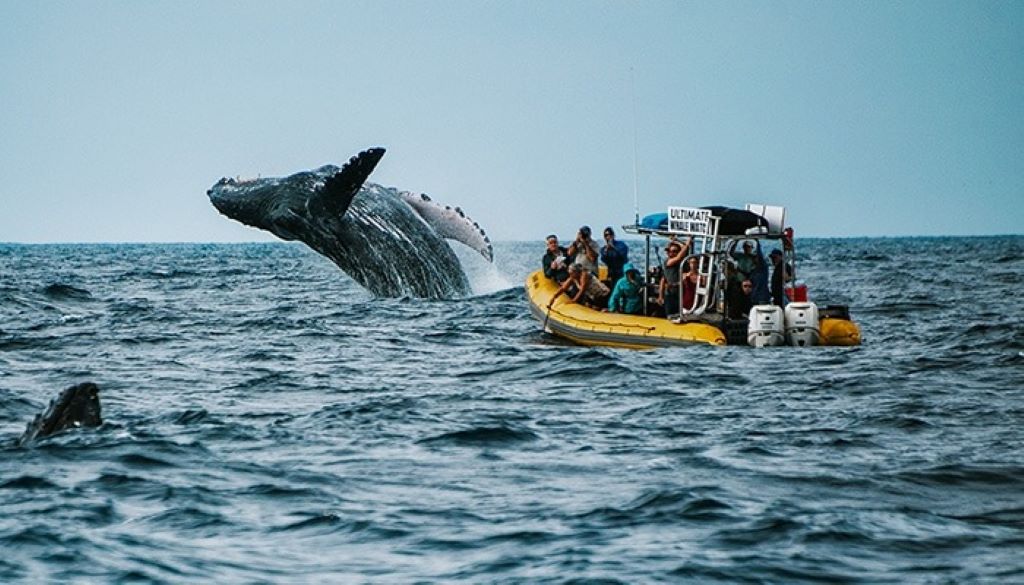
One of the reasons Miami stands out as a whale-watching destination is the diversity of species you might encounter. Humpback whales, North Atlantic right whales, and even the occasional sperm whale have been spotted in these waters. Each species has its own migration patterns and behaviors, making every whale-watching trip unique. For instance, humpback whales are known for their acrobatic displays, while North Atlantic right whales are critically endangered, making sightings particularly special.
Accessibility and Convenience
Unlike other whale-watching destinations that require long boat rides or remote travel, Miami offers easy access to prime whale-watching spots. Many tours depart from Biscayne Bay or Key Biscayne, ensuring that even first-time visitors can enjoy the experience without hassle. Plus, Miami’s well-developed tourism infrastructure means you’ll find plenty of options for guided tours, equipment rentals, and expert guides.
The Best Time to Visit Miami for Whale Watching
Understanding Whale Migration Patterns
Whales are migratory creatures, and their movements are dictated by factors like water temperature, food availability, and breeding cycles. In Miami, the peak whale-watching season typically runs from December to April , coinciding with the annual migration of humpback and North Atlantic right whales. During this period, these gentle giants travel from their feeding grounds in the northern Atlantic to warmer southern waters for mating and calving.
December to February: Peak Season for Humpback Whales
Humpback whales are the stars of Miami’s whale-watching scene. These magnificent creatures are known for their haunting songs and impressive breaches. According to data from the National Oceanic and Atmospheric Administration (NOAA), humpback whales begin arriving in Miami’s waters in December and remain active until late February. This is the best time to witness their playful behavior and hear their enchanting songs underwater.
March to April: Spotting Endangered North Atlantic Right Whales
March and April mark the tail end of the whale-watching season in Miami, but they offer a rare opportunity to see the critically endangered North Atlantic right whale. With fewer than 350 individuals left in the wild, spotting one of these gentle giants is both thrilling and humbling. Conservationists recommend visiting during this period if you’re passionate about marine wildlife and want to contribute to citizen science efforts by reporting sightings.
Off-Peak Opportunities: Summer and Fall
While the winter months are undeniably the best time for whale watching in Miami, don’t discount the summer and fall entirely. Although large baleen whales are less common during these seasons, you might still encounter other marine mammals like dolphins, manatees, and even pilot whales. Additionally, summer tours often focus on snorkeling and diving, allowing you to explore Miami’s vibrant coral reefs alongside its marine inhabitants.
Planning Your Whale-Watching Adventure
Choosing the Right Tour Operator
Selecting a reputable tour operator is crucial for a successful whale-watching experience. Look for companies with experienced captains and knowledgeable guides who prioritize ethical wildlife viewing practices. Some top-rated operators in Miami include:
- Miami Whale Watch Tours : Known for their eco-friendly approach and small group sizes.
- Biscayne Bay Eco Adventures : Offers educational tours led by marine biologists.
- Key Biscayne Water Sports : Combines whale watching with opportunities for kayaking and paddleboarding.
What to Bring on Your Trip
Packing the right gear can make or break your whale-watching adventure. Here’s a checklist to ensure you’re prepared:
- Binoculars : Essential for spotting whales from a distance.
- Camera with Zoom Lens : Capture those once-in-a-lifetime moments.
- Sunscreen and Hat : Protect yourself from Miami’s intense sun.
- Motion Sickness Medication : Even calm seas can cause discomfort for some.
- Reusable Water Bottle : Stay hydrated while reducing plastic waste.
Tips for Responsible Whale Watching
Responsible tourism is key to preserving Miami’s marine ecosystems. Follow these guidelines to minimize your impact:
- Maintain a safe distance from whales (at least 100 yards).
- Avoid loud noises or sudden movements that could disturb the animals.
- Never attempt to touch or feed the whales.
- Choose operators certified by organizations like NOAA or the World Cetacean Alliance.
The Science Behind Whale Watching
Why Do Whales Migrate?
Understanding why whales migrate adds depth to your whale-watching experience. Scientists believe that whales travel thousands of miles each year to take advantage of seasonal changes in food availability and breeding conditions. For example, humpback whales feed on krill and small fish in cold northern waters during the summer before heading south to mate and give birth in warmer climates.
The Role of Technology in Whale Research
Advancements in technology have revolutionized our understanding of whale behavior. Satellite tagging, acoustic monitoring, and drone photography allow researchers to track migration routes, study communication patterns, and assess population health. By participating in a whale-watching tour, you’re not just observing these incredible animals—you’re contributing to ongoing conservation efforts.
Expert Opinions and Perspectives
Insights from Marine Biologists
Dr. Sarah Thompson, a marine biologist at the University of Miami, emphasizes the importance of timing when planning a whale-watching trip. “The window for seeing certain species is relatively short,” she explains. “If you want to maximize your chances of spotting humpbacks or right whales, aim for late December through early March.”
Local Guides Share Their Experiences
Captain Mike Rodriguez, owner of Miami Whale Watch Tours, has spent over two decades guiding visitors through Miami’s waters. “Every trip is different,” he says. “Some days, you’ll see multiple breaches and hear the whales singing. Other days, it’s quieter, but there’s always something magical about being out on the ocean.”
Kayaking the Biscayne Bay Mangroves (Eco-Tour): Unveiling Miami’s Hidden Aquatic Paradise
FAQs About Best Time to Visit Miami for Whale Watching
- What types of whales can I see in Miami?
-
- Humpback whales, North Atlantic right whales, and occasionally sperm whales.
- How long does a typical whale-watching tour last?
-
- Most tours last between 2 to 4 hours.
- Is whale watching suitable for children?
-
- Absolutely! It’s a family-friendly activity, though younger kids may need motion sickness medication.
- Are there any guarantees of seeing whales?
-
- While sightings are common, they cannot be guaranteed due to the unpredictable nature of wildlife.
- What should I wear on a whale-watching tour?
-
- Dress in layers, wear comfortable shoes, and bring sunglasses.
- Can I go whale watching in the summer?
-
- Yes, but large baleen whales are less common during this season.
- Do I need prior boating experience?
-
- No, all tours are led by professional captains.
- Are there any age restrictions?
-
- Generally, there are no age restrictions, but check with your chosen operator.
- How much does a whale-watching tour cost?
-
- Prices range from $50 to $150 per person, depending on the operator and package.
- How can I support whale conservation efforts?
-
- Choose eco-friendly operators, report sightings to research organizations, and avoid single-use plastics.
Conclusion: Dive Into an Unforgettable Experience
Whale watching in Miami is more than just a tourist activity—it’s a chance to connect with nature and gain a deeper appreciation for the ocean’s wonders. By visiting during the peak season from December to April, choosing a responsible tour operator, and following our expert tips, you’ll set yourself up for an unforgettable adventure. Whether you’re marveling at a humpback whale’s breach or listening to their haunting song, you’ll leave Miami with memories that will last a lifetime.
So pack your binoculars, grab your camera, and get ready to embark on the whale-watching journey of a lifetime. Miami’s waters are waiting for you!
Read More:
A DAY TRIP TO KEY LARGO FROM MIAMI (AVOIDING CROWDS): YOUR ULTIMATE GUIDE TO SERENITY AND ADVENTURE