










A car accident in Miami shakes you up. The other driver flees or lacks insurance. You face medical bills, car repairs, and stress. What do you do? Florida’s roads see many uninsured drivers. Knowing your options helps you recover. This guide explains steps to take after a crash with an uninsured motorist. You’ll learn how to protect your legal rights, handle insurance claims, and seek compensation. Let’s dive into clear actions to take if an uninsured driver hits you in Miami.
Why Uninsured Drivers Are a Problem in Miami
Miami-Dade County has busy roads. Many drivers skip auto insurance. The Insurance Research Council says 20% of Florida drivers are uninsured. This creates risks for accident victims. Uninsured motorists can’t cover medical expenses or property damage. You might feel stuck. But Florida law offers solutions. Understanding your options is key.
Immediate Steps After the Accident
Stay Safe at the Accident Scene
Stay calm after a crash. Move your car to a safe spot if possible. Turn on hazard lights. Check for injuries. Call 911 if anyone is hurt. A police report documents the incident. This helps with insurance claims or legal action.
Gather Information
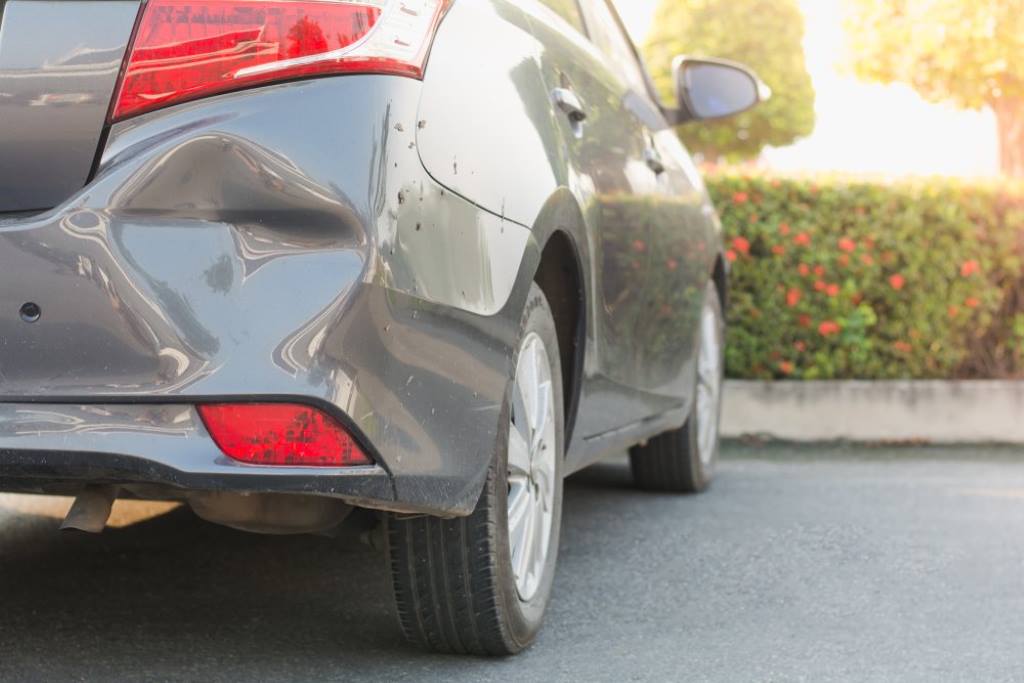
Collect details from the other driver. Get their name, contact info, and license plate. If they flee, note their car’s make, model, and color. Look for witnesses. Ask for their contact details. Take photos of the accident scene. Capture damage to your car. These details support your case.
File a Police Report
Report the crash to police. Miami-Dade County requires a report for accidents with injuries or significant damage. A police report proves the incident happened. It also notes if the other driver was uninsured. Keep a copy for your records.
Understanding Uninsured Motorist Coverage
What Is Uninsured Motorist Coverage?
Uninsured motorist (UM) coverage protects you in crashes with uninsured drivers. It covers medical bills, lost wages, and pain. Florida law doesn’t require UM coverage. But it’s smart to have it. Check your auto insurance policy. See if you have UM or UIM (underinsured motorist) coverage.
Stacked vs. Non-Stacked Coverage
UM coverage comes in two types: stacked and non-stacked. Stacked coverage combines limits from multiple vehicles. It increases your payout. Non-stacked coverage limits you to one vehicle’s policy. Ask your insurance company about your coverage type.
Bodily Injury and Property Damage Liability
Bodily Injury Liability coverage pays for injuries you cause. Property Damage Liability covers damage to others’ property. These don’t help if an uninsured driver hits you. UM coverage fills this gap. It acts like the other driver’s liability insurance.
Filing an Insurance Claim
Contact Your Insurance Carrier
Notify your insurance company quickly. Report the crash details. Mention the other driver was uninsured. Provide the police report and photos. Your insurer will guide you through the claims process.
Dealing with Medical Expenses
Medical bills pile up fast after an accident. UM coverage may cover doctor visits, surgeries, or therapy. Submit bills to your insurer. Keep records of all medical treatment. This includes hospital stays or physical therapy.
Property Damage Claims
Property damage includes car repairs or replacement. Your collision coverage may help. If you lack collision insurance, UM coverage might apply. Check your policy details. File a claim for repairs quickly.
Legal Options for Compensation
Hire a Personal Injury Lawyer
A car accident lawyer helps you navigate legal options. They understand Florida law. Firms like Lavent Law Personal Injury Lawyer or DLopez Law Firm specialize in uninsured motorist cases. A lawyer fights for fair compensation. They handle insurance companies and court filings.
Personal Injury Lawsuit
You can file a personal injury lawsuit against the uninsured driver. This seeks compensation for medical bills, wage loss, and pain. Florida’s statute of limitations gives you four years to file. Act fast to preserve evidence. A lawyer strengthens your case.
Hit-and-Run Crashes
Hit-and-run accidents complicate claims. If the driver flees, UM coverage may still apply. File a police report immediately. Your lawyer can explore compensation options. They may use license plate data or witness statements.
Explore Also:
- Best Steakhouse Miami: Top Dining Picks
- Brickell Rooftop Bars with Happy Hour Deals: A Sky-High Adventure in Miami
- Discover the Best Nightclubs in Miami Florida: A Vibrant Nightlife Adventure
Florida’s No-Fault Insurance System
Florida uses a no-fault insurance system. Your Personal Injury Protection (PIP) covers medical expenses and lost wages. But PIP has limits. It may not cover serious injuries like a herniated disc. UM coverage helps with costs PIP doesn’t cover. A lawyer explains how these work together.
Potential Challenges
Bad Faith Insurance Practices
Some insurance companies delay or deny valid claims. This is called bad faith. File a civil remedy notice if your insurer acts unfairly. A lawyer can help. They ensure your insurance carrier follows Florida law.
Wage Garnishment and Financial Repercussions
If you sue an uninsured driver, they may face wage garnishment. This collects compensation from their income. But many uninsured drivers lack funds. Your UM coverage becomes crucial here. It protects you from financial loss.
Civil Penalties for Uninsured Drivers
Florida law penalizes uninsured drivers. They may face fines or license suspension. These penalties don’t help you directly. Focus on your UM coverage or legal action for compensation.
Choosing the Right Lawyer
Why You Need an Auto Accident Attorney
An auto accident attorney knows uninsured motorist cases. They negotiate with insurance carriers. They also represent you in court. Look for firms with strong client reviews. Examples include Dolan Dobrinsky Rosenblum Bluestein, LLP.
Contingency Fee Basis
Most personal injury lawyers work on a contingency fee. You pay only if you win. This makes legal help accessible. Discuss fees upfront with your lawyer.
Local Expertise in Miami
Choose a lawyer familiar with Miami-Dade County. They know local courts and laws. Attorneys like Zachary Bodenheimer or Michael Flanagan have experience. Check their track record in uninsured motorist cases.
Preventing Future Issues
Check Your Insurance Card
Review your insurance card regularly. Ensure you have UM and collision coverage. Update your policy if needed. This prepares you for future accidents.
Understand Insurance Limits
Know your policy’s insurance limits. UM coverage varies by plan. Higher limits offer better protection. Talk to your insurance company about options.
Stay Informed on Florida Law
Florida Statutes §627.736 and §627.737 govern no-fault and UM coverage. Read these to know your rights. A lawyer can clarify complex rules.
The Insurance Information Institute notes Florida’s uninsured driver rate is high. Miami’s busy roads and tourism contribute. This makes UM coverage a must for locals.
Conclusion
A crash with an uninsured driver in Miami feels overwhelming. But you have options. File a police report. Use your UM coverage. Hire a personal injury lawyer. Act fast to protect your rights. Don’t let an uninsured driver ruin your life.
Contact a Miami car accident lawyer today. Firms like Lavent Law or DLopez Law Firm offer free consultations. Visit their contact form online or call to start your claim. Protect your future today!
FAQs
What is uninsured motorist coverage?
UM coverage pays for injuries and damages when an uninsured driver hits you. It’s optional but recommended.
Can I sue an uninsured driver in Miami?
Yes, you can file a personal injury lawsuit. A lawyer helps recover compensation.
What if the driver flees the accident scene?
File a police report. UM coverage may apply for hit-and-run crashes.
How does Florida’s no-fault insurance work?
No-fault means your PIP covers initial medical costs. UM coverage helps with extra expenses.
Do I need a lawyer for an uninsured motorist claim?
A lawyer improves your chances. They handle insurance claims and lawsuits effectively.
References
- Insurance Research Council: https://www.insurance-research.org
- Insurance Information Institute: https://www.iii.org
- Florida Statutes: https://www.flsenate.gov/Laws/Statutes/627.736