










Dreaming of owning a home in Miami but not quite ready for a mortgage? You’re not alone. With rising home prices and strict lending requirements, many future homeowners are turning to rent-to-own homes as a smarter, more flexible path to homeownership. If you’re wondering how rent-to-own works, what the pros and cons are, and whether it’s the right choice for you, this guide has you covered.
We’ll break down everything you need to know — from how the process works in Miami to the best neighborhoods to search — all in simple, easy-to-understand language.
What Are Rent-to-Own Homes?
Rent-to-own homes are exactly what they sound like — you rent a home now with the option (or obligation) to buy it later. It’s a hybrid approach between renting and buying, giving you time to build savings, improve your credit, and decide if the home is truly right for you.
Two Main Types of Rent-to-Own Agreements
- Lease-Option: You rent the home and have the option — but not the obligation — to buy it at the end of the lease. If you decide not to purchase, you can walk away (though you may lose your rent credits or option fee).
- Lease-Purchase: You agree upfront to purchase the home once the lease ends. This option is more binding and usually requires financing to be in place.
Rent-to-own is especially popular among first-time buyers, newcomers to Miami, or anyone who needs time to build a stronger financial profile before applying for a mortgage.
How Rent-to-Own Works in Miami
While every contract is unique, most rent-to-own deals in Miami follow a similar structure. Here’s a quick step-by-step guide to how it typically works:
- Find a Rent-to-Own Property: You search for homes offering rent-to-own agreements (either directly from owners, real estate agents, or specialized platforms).
- Sign the Agreement: The contract will outline the lease term (usually 1–3 years), monthly rent, purchase price, and how much of your rent will count toward the down payment.
- Pay an Option Fee: Most agreements require an upfront fee (often 1%–5% of the home’s price) to secure your right to buy later.
- Rent & Build Credit: Each month, a portion of your rent is credited toward the purchase price — helping you slowly build equity while renting.
- Buy the Home: At the end of the lease, you can exercise your option to buy (lease-option) or are obligated to purchase (lease-purchase), usually by securing a mortgage.
Tip: Always review your contract with a real estate attorney before signing. Florida’s rent-to-own laws can be complex, and you’ll want to understand your rights and obligations fully.
Pros and Cons of Rent-to-Own Homes in Miami
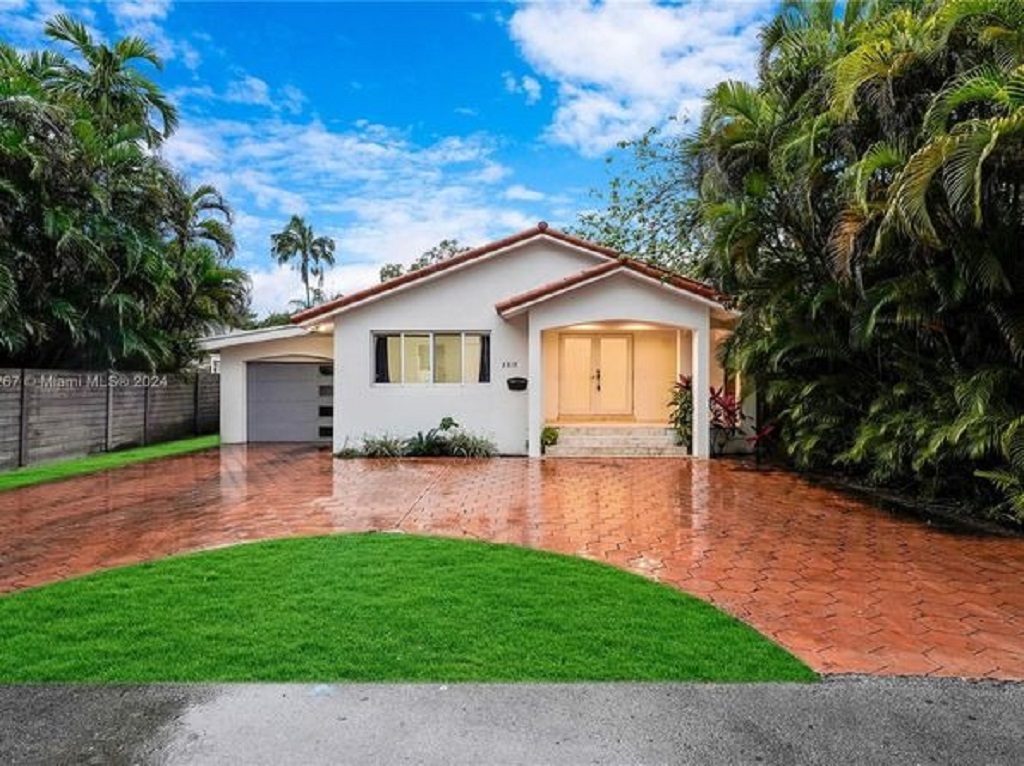
✅ Advantages
- Build Equity While Renting: Part of your rent goes toward the purchase price, so you’re not “throwing money away.”
- Improve Credit Over Time: Gives you time to fix credit issues or save for a down payment while living in your future home.
- Lock In Today’s Price: With Miami’s housing market on the rise, locking in a purchase price now could save you money later.
- Try Before You Buy: Live in the home and explore the neighborhood before committing.
❌ Disadvantages
- Higher Rent: Monthly rent is often above market rates because part of it goes toward the purchase.
- Risk of Losing Money: If you choose not to buy, you could lose your option fee and rent credits.
- Market Fluctuations: If home values drop, you might end up overpaying.
- Financing Risk: If you still can’t qualify for a mortgage at the end, you may lose the home altogether.
Miami Real Estate Market Overview
Miami’s real estate market is one of the hottest in the U.S., known for its tropical lifestyle, booming economy, and strong demand from both domestic and international buyers. As of 2025, home prices continue to rise, though growth has moderated compared to the pandemic boom.
| Neighborhood | Median Home Price | Average Rent (2BR) |
|---|---|---|
| Little Havana | $430,000 | $2,600/month |
| Kendall | $520,000 | $2,800/month |
| Coral Gables | $780,000 | $3,500/month |
| Wynwood | $650,000 | $3,200/month |
Neighborhoods like Little Havana and Kendall are popular choices for rent-to-own opportunities due to their affordability and growth potential.
Tips for a Successful Rent-to-Own Experience
- Hire a Real Estate Attorney: Never sign an agreement without legal review.
- Work on Your Credit: Use the rental period to pay down debt and improve your credit score.
- Get a Home Inspection: Treat it like a purchase — inspect before you commit.
- Negotiate Terms: Try to negotiate the purchase price and rent credit percentage upfront.
- Have a Backup Plan: Consider what happens if you can’t secure financing by the end of the lease.
Where to Find Rent-to-Own Homes in Miami
Finding rent-to-own homes can be tricky, but there are several great places to start:
- Real estate platforms like Zillow, Realtor.com, and RentToOwnLabs
- Local Miami real estate agents who specialize in rent-to-own agreements
- Property management companies that offer lease-option homes
- Non-profit housing programs and local government initiatives
Watch out for scams! Always verify the property owner, review the contract carefully, and avoid deals that seem too good to be true.
Alternatives to Rent-to-Own in Miami
Not sure if rent-to-own is right for you? Here are a few alternatives:
- FHA Loans: Federal loans with lower down payments, ideal for first-time buyers.
- Down Payment Assistance: Florida offers several programs that can help you cover upfront costs.
- Shared Equity Programs: Co-buy with a family member or investor to share costs.
Final Thoughts
Rent-to-own homes can be a powerful stepping stone to homeownership — especially in a high-demand market like Miami. They offer flexibility, time to prepare financially, and a chance to “test drive” your dream home before buying. But like any financial decision, it’s important to do your homework, read every contract carefully, and work with trusted professionals.
With the right strategy, rent-to-own could be the key to unlocking your Miami homeownership dreams.
Related Topic: Best Steakhouse Miami
Popular FAQs About Rent-to-Own Homes in Miami
1. How much do I need upfront for a rent-to-own home?
Most agreements require an option fee of 1%–5% of the home’s price. For a $500,000 home, expect to pay $5,000–$25,000 upfront.
2. Can I back out of a rent-to-own deal?
If you’re in a lease-option agreement, yes — though you’ll likely lose your option fee and rent credits. Lease-purchase agreements are binding, so backing out could mean legal consequences.
3. What if I don’t qualify for a mortgage when the lease ends?
If you can’t secure financing, you may lose your right to purchase the property. That’s why it’s essential to work on your credit and finances during the rental period.
4. Are rent-to-own homes more expensive?
Monthly rent is often slightly higher than market rates, but part of that payment goes toward your future down payment — which can make it worthwhile.
5. Is rent-to-own a good option with bad credit?
Yes! Rent-to-own can be an excellent solution if you’re working to improve your credit while saving for a mortgage.