









Introduction: The Unexpected Urban Encounter
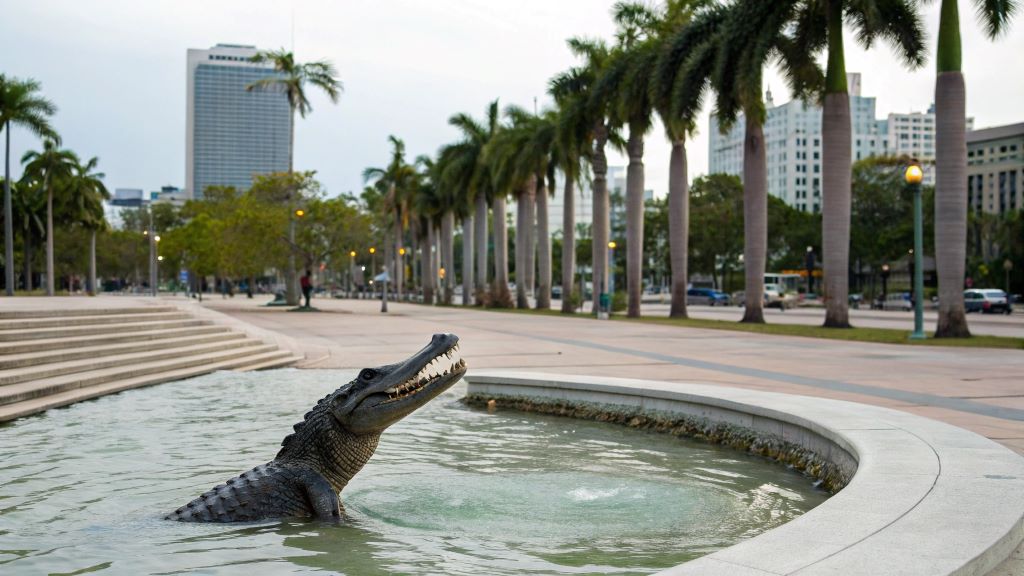
Miami is known for its vibrant culture, stunning beaches, and lush landscapes. But what if we told you that beneath the glitz and glamour lies a wilder side? Alligator sightings in urban fountains across Miami are on the rise, adding an unexpected twist to city life. Picture this: you’re strolling through a serene park or relaxing by a fountain when suddenly, you lock eyes with an alligator basking lazily in the water. Sounds like a scene from a movie, right? Yet, it’s becoming an increasingly common occurrence in Miami’s urban spaces.
This article dives deep into the fascinating world of alligator sightings in urban fountains. We’ll explore why these reptiles are venturing into human-populated areas, where you can safely observe them, and what this trend means for both wildlife conservation and city planning. Whether you’re a nature enthusiast, a curious local, or a visitor seeking unique experiences, this guide has something for everyone.
Why Are Alligators Appearing in Urban Fountains?
Habitat Encroachment: A Growing Concern
As urban development continues to expand in Miami, natural habitats for alligators are shrinking. Wetlands, marshes, and swamps—the traditional homes of these creatures—are being replaced by residential complexes, shopping malls, and parks. According to the Florida Fish and Wildlife Conservation Commission (FWC), there are over 1.3 million alligators in Florida, and their numbers are stable. However, with limited space, they’re forced to adapt to new environments, including man-made water features like fountains.
Statistic Alert: Over 60% of Florida’s wetlands have been lost to urbanization since the 1950s, pushing wildlife closer to human settlements.
Water Quality and Availability
Alligators are drawn to clean, still water bodies. Many urban fountains mimic the conditions of their natural habitats—calm waters and abundant sunlight. Additionally, fountains often attract smaller animals like fish, birds, and turtles, which serve as prey for alligators. This creates a mini-ecosystem within cities, making fountains an attractive stopover for wandering gators.
Expert Opinion
Dr. Sarah Collins, a wildlife biologist at the University of Miami, explains, “Alligators aren’t invading our spaces—they’re simply adapting to survive. Their presence in urban fountains highlights the resilience of these ancient creatures but also underscores the urgent need for better habitat preservation.”
Where to Spot Alligators in Miami’s Urban Fountains
Top Locations for Gator-Watching
1. Bayfront Park Fountain
Located in downtown Miami, Bayfront Park is not only a hotspot for concerts and events but also a surprising refuge for alligators. Visitors have reported sightings near the central fountain, especially during early mornings or late afternoons when the area is less crowded.
Pro Tip: Bring binoculars for a closer look without disturbing the gators.
2. Fairchild Tropical Botanic Garden
This iconic garden isn’t just about exotic plants; its serene ponds and fountains occasionally host alligators. Staff members ensure visitor safety while allowing minimal interference with the animals’ natural behavior.
3. Matheson Hammock Park
Known for its picturesque views, Matheson Hammock Park features a large fountain that doubles as a watering hole for alligators. It’s a favorite spot for photographers hoping to capture the perfect shot of these majestic reptiles.
Visitor Review: “I was amazed to see an alligator lounging in the fountain—it felt like stepping into a National Geographic documentary!” – Maria L., Miami resident.
Safety First: How to Observe Alligators Responsibly
Dos and Don’ts of Alligator Watching
Do’s
- Maintain a safe distance of at least 30 feet.
- Respect barriers and warning signs placed around fountains.
- Educate yourself on alligator behavior before visiting potential sighting spots.
Don’ts
- Never feed alligators. Feeding them makes them associate humans with food, increasing the risk of dangerous encounters.
- Avoid approaching baby alligators, as mothers are fiercely protective.
- Refrain from using flash photography, which can startle the animals.
Legal Implications
Under Florida law, harassing or harming alligators is punishable by fines up to $500 and imprisonment. Always prioritize ethical observation practices.
Pros and Cons of Urban Alligator Sightings
Pros
- Educational Opportunities: Observing alligators in urban settings raises awareness about wildlife conservation.
- Tourism Boost: Unique attractions like alligator sightings draw eco-tourists to Miami.
- Ecosystem Balance: Alligators help control populations of invasive species like iguanas and nutria.
Cons
- Safety Risks: Increased human-alligator interactions could lead to accidents.
- Habitat Fragmentation: Reliance on urban fountains may disrupt natural migration patterns.
- Public Perception Issues: Some residents view alligators as pests rather than valuable wildlife.
FAQs About Alligator Sightings in Urban Fountains
1. Are alligators dangerous in urban settings?
While generally shy, alligators can become aggressive if provoked. Always keep your distance and supervise children and pets.
2. What should I do if I encounter an alligator in a fountain?
Stay calm, back away slowly, and report the sighting to local authorities or the FWC hotline.
3. Can alligators survive in chlorinated water?
Yes, but prolonged exposure to chemicals can harm their health. Most prefer untreated water sources.
4. How common are alligator sightings in Miami?
Sightings are relatively rare but increasing due to habitat loss and climate change.
5. Is it legal to relocate alligators found in urban areas?
Relocation is permitted under strict guidelines set by the FWC to ensure the animal’s well-being.
6. Do alligators migrate seasonally?
Yes, they move between wetlands and other water bodies depending on rainfall and temperature.
7. Why don’t city officials remove alligators from fountains?
Removal disrupts ecosystems and stresses the animals. Instead, efforts focus on coexistence strategies.
8. Can alligators climb out of fountains?
Absolutely! Their strong limbs allow them to scale walls and embankments easily.
9. Are urban alligators smaller than those in the wild?
No, size depends on age and diet, not location.
10. Should I be worried about alligators in my neighborhood?
Not necessarily, but stay informed and follow safety guidelines provided by local wildlife agencies.
Conclusion: Embracing Coexistence
The rise of alligator sightings in Miami’s urban fountains is a testament to the adaptability of nature—and a reminder of our responsibility to protect it. By understanding their behaviors and respecting their space, we can foster a harmonious relationship with these incredible creatures. So next time you visit a park or stroll past a fountain, keep an eye out—you might just witness one of Florida’s most iconic residents thriving in an unlikely setting.
References
- Florida Fish and Wildlife Conservation Commission (FWC)
- University of Miami Environmental Studies
- National Geographic – “Urban Wildlife Adaptation Trends”
- Miami Herald – “Alligators in the City: A Growing Phenomenon”
By blending education, entertainment, and practical advice, this article aims to engage readers while fostering appreciation for Miami’s unique urban wildlife.
Read More:
FINDING THE LEGENDARY MANGO SMOOTHIE TIME SLIP IN MIAMI: A DEEP DIVE INTO MIAMI’S TROPICAL SECRET