









Introduction: Why Coastal Living in Miami Demands Hurricane Preparedness
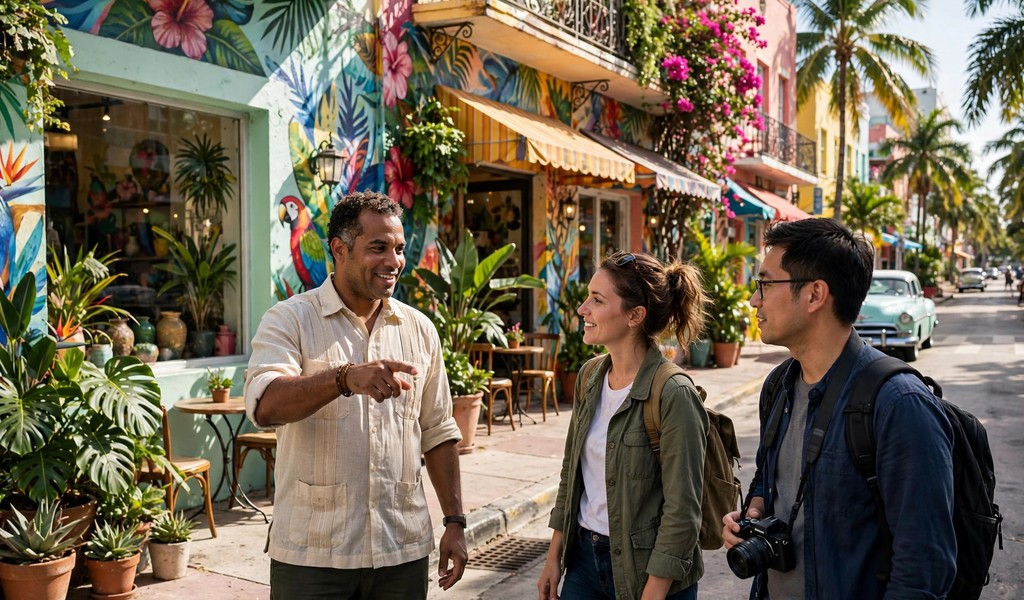
Miami is a city that embodies the allure of coastal living. With its turquoise waters sparkling under the sun, palm-lined streets, and vibrant culture, it’s no wonder so many people are drawn to this tropical paradise. However, coastal living and hurricane preparedness in Miami go hand in hand, as beneath the surface of this idyllic lifestyle lies a sobering reality: Miami is one of the most hurricane-prone cities in the United States. According to NOAA’s National Hurricane Center, Florida has experienced more hurricanes than any other state, with Miami often bearing the brunt of these storms.
Living in Miami means embracing both the beauty and the challenges of coastal life. The threat of hurricanes isn’t just an occasional inconvenience—it’s a recurring reality that requires careful planning, proactive measures, and a resilient mindset. This article dives deep into the intricacies of coastal living and hurricane preparedness in Miami, offering actionable insights, expert opinions, and real-world solutions to help residents thrive while staying safe.
By the end of this guide, you’ll understand how to balance the joys of living by the sea with the practicalities of surviving its storms. Let’s explore what it truly means to live in harmony with nature in one of America’s most dynamic cities.
Understanding the Risks of Coastal Living in Miami
The Geography of Vulnerability
Miami’s location on the southeastern tip of Florida makes it uniquely susceptible to hurricanes. Surrounded by water on three sides—the Atlantic Ocean, Biscayne Bay, and the Everglades—Miami faces not only high winds but also storm surges that can inundate neighborhoods. A 2023 study published in Nature Climate Change highlights that rising sea levels have amplified the risk of flooding during hurricanes, making Miami even more vulnerable than before.
Historical Hurricanes That Shaped Miami
From Hurricane Andrew in 1992 to Irma in 2017, Miami has faced devastating storms that reshaped its infrastructure and emergency protocols. Hurricane Andrew alone caused $26.5 billion in damages (adjusted for inflation) and left over 250,000 people homeless. These events underscore the importance of learning from history to prepare for future disasters.
Climate Change and Its Impact on Hurricanes
Climate scientists warn that global warming is intensifying hurricanes. Warmer ocean temperatures fuel stronger storms, while higher sea levels increase the potential for catastrophic flooding. A report by the Union of Concerned Scientists predicts that by 2045, nearly 64,000 homes in Miami-Dade County could be at chronic risk of flooding due to climate change.
Building Resilience Through Smart Home Design
Fortifying Your Home Against Hurricanes
Modern construction techniques offer innovative ways to protect homes from hurricane damage. Impact-resistant windows, reinforced roofs, and elevated foundations are now standard features in many new builds. FEMA recommends installing storm shutters or plywood panels as an affordable alternative for older homes.
Flood Mitigation Strategies
Flooding is one of the most destructive aspects of hurricanes. Installing sump pumps, sealing basements, and using flood barriers can significantly reduce water intrusion. Additionally, landscaping choices like rain gardens and permeable pavements help manage excess water runoff.
Insurance Considerations
Homeowners insurance policies in Miami often exclude flood coverage unless purchased separately through the National Flood Insurance Program (NFIP). Experts advise reviewing your policy annually to ensure adequate protection. As noted in a Forbes article, “underinsured homeowners face financial ruin after major storms.”
Community Efforts and Government Initiatives
Miami’s Evolving Infrastructure
The City of Miami has invested heavily in upgrading its infrastructure to withstand extreme weather. Projects like raising roads in low-lying areas and improving drainage systems aim to mitigate flooding risks. Despite progress, critics argue that more needs to be done to address systemic vulnerabilities.
Emergency Response Systems
Miami-Dade County operates a robust emergency management system, including early warning alerts and evacuation routes. Residents can access resources like the county’s website and mobile app for real-time updates during storms.
Grassroots Movements for Resilience
Local organizations such as Miami Waterkeeper advocate for sustainable practices that enhance community resilience. Their initiatives focus on restoring mangroves, which act as natural barriers against storm surges, and educating residents about climate adaptation strategies.
Personal Preparedness: What Every Resident Should Know
Creating a Hurricane Kit
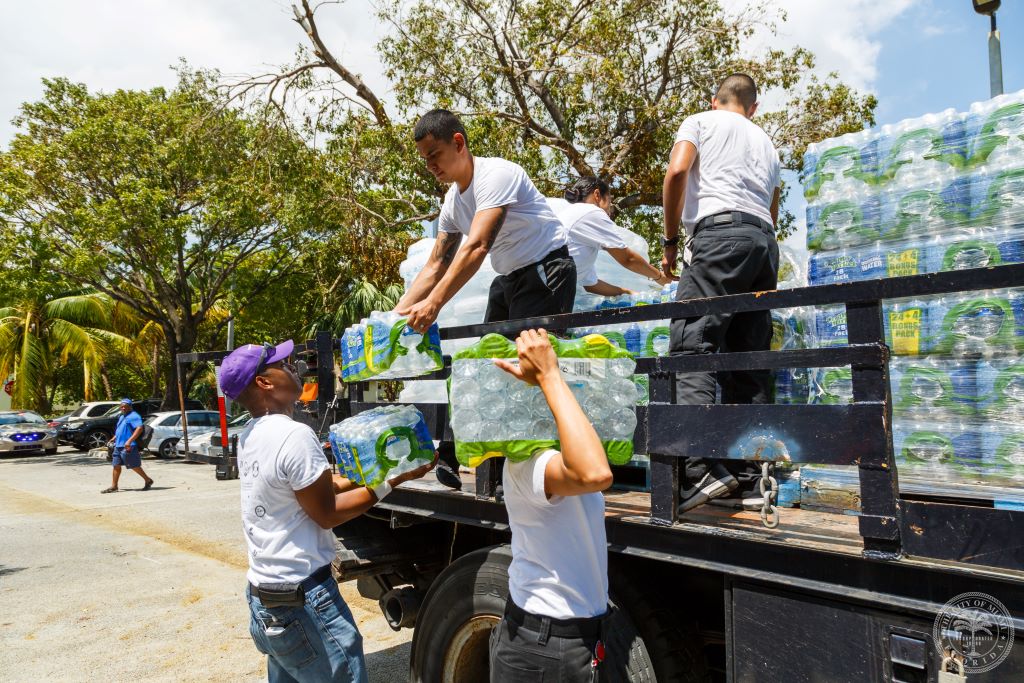
A well-stocked hurricane kit is essential for survival during and after a storm. Items should include non-perishable food, bottled water, flashlights, batteries, first aid supplies, and important documents stored in waterproof containers.
Evacuation Plans and Safe Shelters
Knowing when and where to evacuate is critical. Miami-Dade County provides designated shelters equipped with generators and supplies. Families should practice evacuation drills regularly to minimize confusion during emergencies.
Staying Informed During a Storm
Reliable sources of information are crucial during hurricanes. Local news stations, NOAA Weather Radio, and social media platforms provide timely updates. Avoid relying solely on unofficial channels to prevent misinformation.
Long-Term Solutions for Sustainable Coastal Living
Embracing Renewable Energy
Transitioning to solar power reduces dependency on grid electricity, which is often disrupted during hurricanes. Tax incentives and rebates make renewable energy installations increasingly accessible for homeowners.
Urban Planning for the Future
Forward-thinking urban planning incorporates green spaces, resilient building codes, and adaptive zoning laws. Cities worldwide are adopting similar strategies to combat the effects of climate change.
Advocacy and Education
Empowering residents through education fosters a culture of preparedness. Workshops, school programs, and public seminars raise awareness about hurricane risks and mitigation strategies.
FAQs About Coastal Living and Hurricane Preparedness in Miami
- What months are considered hurricane season in Miami?
Hurricane season runs from June 1 to November 30, peaking in August and September. - How do I know if my home is in a flood zone?
Check FEMA’s Flood Map Service Center or consult your local government office. - Are there tax benefits for hurricane-proofing my home?
Yes, certain upgrades qualify for federal tax credits and local incentives. - Can I stay in my home during a Category 5 hurricane?
It’s strongly advised to evacuate during such severe storms due to life-threatening conditions. - What should I do if I lose power during a hurricane?
Use battery-powered devices sparingly and avoid opening refrigerators to preserve perishables. - How effective are storm shutters compared to plywood?
Both options work, but shutters are easier to deploy quickly and provide better insulation. - Is renters’ insurance enough to cover hurricane damage?
Renters’ insurance typically covers personal belongings but not structural damage. - Where can I find free hurricane preparedness resources?
Visit websites like Ready.gov and Miami-Dade County’s official portal. - How does climate change affect hurricane frequency?
While the number of hurricanes may not increase, their intensity and rainfall are projected to rise. - What role do mangroves play in protecting Miami from hurricanes?
Mangroves absorb wave energy and reduce erosion, acting as natural buffers against storm surges.
Conclusion: Thriving Amidst Uncertainty
Coastal living in Miami offers unparalleled beauty and opportunities, but it also demands vigilance and preparation. By understanding the risks, fortifying our homes, engaging with our communities, and advocating for sustainable solutions, we can navigate the challenges posed by hurricanes. Remember, resilience isn’t just about surviving the next storm—it’s about creating a future where Miami remains a beacon of hope and prosperity despite the odds.
As you embark on your journey of coastal living and hurricane preparedness, let this guide serve as your roadmap to safety and success. Together, we can build a Miami that thrives, no matter what Mother Nature throws our way.
Read More:
Best Schools Near Waterfront Properties Miami