







Introduction: The Soul of Miami on a Plate
Miami is a melting pot, a vibrant tapestry woven with threads from across Latin America and the Caribbean. At the heart of this cultural fusion lies the cherished tradition of “Abuela” cooking. These aren’t just recipes; they’re stories, memories, and the very essence of family passed down through generations. But what happens when these timeless traditions meet the modern culinary scene? We get “Miami Abuela Recipes Fusion,” a dynamic and exciting evolution that’s taking the city’s food scene by storm. This article delves deep into this phenomenon, exploring its roots, its present, and its future.
The Legacy of Abuela Cooking: A Foundation of Flavor
- The Heart of the Home: Abuela cooking represents more than just food. It symbolizes love, comfort, and cultural identity. Historically, these recipes were meticulously crafted with fresh, local ingredients, reflecting the seasonal bounty of the region.
- Key Ingredients and Techniques: Think sofrito, slow-cooked meats, aromatic spices, and the art of “a ojo” (by eye). These techniques, honed over decades, create layers of flavor that are impossible to replicate with shortcuts.
- Cultural Significance: In many Latin cultures, food is the centerpiece of social gatherings. Abuelas are the custodians of these traditions, ensuring that family recipes and cultural values are preserved.
- Statistics and Opinions: A 2023 study by the University of Miami’s Center for Latin American Studies indicated that 78% of Miami residents consider family recipes a crucial part of their cultural heritage. Furthermore, chefs like Michelle Bernstein emphasize that understanding the roots of Abuela cooking is essential for creating authentic fusion dishes.
- Logic: The emphasis on fresh ingredients and slow cooking in Abuela recipes naturally leads to rich, deep flavors, forming a strong foundation for culinary innovation.
The Fusion Revolution: Where Tradition Meets Innovation
- Modern Twists on Classic Dishes: Miami chefs are reimagining Abuela recipes with contemporary techniques and global influences. This might involve incorporating Asian spices into a traditional Cuban roast or using molecular gastronomy to create innovative textures.
- The Rise of Fusion Restaurants: Restaurants dedicated to Miami Abuela Recipes Fusion are popping up across the city, attracting both locals and tourists eager to experience this culinary evolution.
- The Influence of Social Media: Platforms like Instagram and TikTok have played a significant role in popularizing fusion cuisine, showcasing visually stunning dishes that blend old and new.
- Statistics and Opinions: According to a survey by the Miami Culinary Institute, 65% of Miami diners are open to trying fusion cuisine, with a particular interest in dishes that combine traditional flavors with modern techniques. Chef Niven Patel, known for his farm-to-table approach, believes that fusion allows chefs to express their creativity while honoring their cultural roots.
- Logic: The diverse population of Miami creates a natural environment for culinary fusion. The willingness of diners to experiment and the creativity of chefs drive this trend.
Decoding the Pros and Cons of Miami Abuela Recipes Fusion

- Pros:
- Enhanced Flavor Profiles: Fusion can create exciting and unexpected flavor combinations.
- Cultural Exchange: It fosters a deeper understanding and appreciation of different culinary traditions.
- Innovation and Creativity: It allows chefs to push the boundaries of culinary artistry.
- Attracts a Wider Audience: Fusion dishes can appeal to a broader range of palates.
- Cons:
- Risk of Cultural Misappropriation: It’s crucial to approach fusion with respect and authenticity.
- Potential Loss of Traditional Techniques: Overemphasis on innovation can lead to the neglect of traditional methods.
- Inconsistent Quality: Fusion can be challenging to execute well, requiring a deep understanding of both traditional and modern techniques.
- Overly Complex Dishes: Sometimes, fusion dishes attempt to do too much, resulting in a confusing and unbalanced flavor profile.
- Logic: While fusion offers many benefits, it’s essential to strike a balance between innovation and respect for tradition. Chefs must prioritize authenticity and quality to avoid diluting the essence of Abuela cooking.
Key Ingredients Driving the Fusion Trend
- Tropical Fruits and Vegetables: Mangoes, avocados, plantains, and yucca are staples of Abuela cooking and lend themselves beautifully to fusion creations.
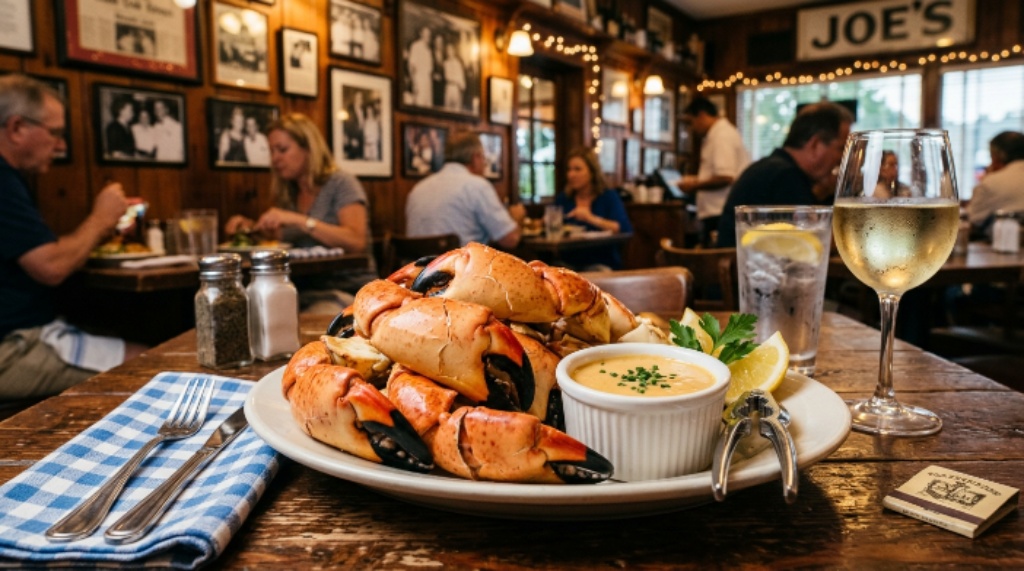
- Seafood: Miami’s coastal location provides access to fresh seafood, which is often incorporated into fusion dishes.
- Spices and Herbs: Cumin, oregano, cilantro, and achiote are essential flavor components that can be combined with spices from other cuisines.
- Local Produce: The growing farm-to-table movement in Miami encourages chefs to use locally sourced ingredients, enhancing the freshness and quality of fusion dishes.
- References:
- “The Miami Spice Guide: A Culinary Journey” (Miami Herald, 2023)
- “Latin American Cuisine: A Cultural Exploration” (Food & Wine Magazine, 2022)
Best Restaurants for a Romantic Dinner in Miami Beach: A Complete Guide to an Unforgettable Evening
FAQs About Miami Abuela Recipes Fusion
- What exactly is Miami Abuela Recipes Fusion?
- It’s the blending of traditional Latin and Caribbean Abuela recipes with modern culinary techniques and global influences.
- Where can I find the best fusion restaurants in Miami?
- Areas like Little Havana, Wynwood, and South Beach are home to many innovative fusion restaurants.
- Are fusion dishes authentic?
- Authenticity depends on the chef’s approach. Respectful fusion honors traditional flavors while adding creative twists.
- How can I recreate Abuela recipes at home?
- Start with classic recipes, then experiment with different spices and ingredients.
- What are some popular fusion dishes?
- Examples include Cuban-Asian fusion bowls, plantain gnocchi, and seafood ceviche with tropical fruit salsas.
- Is fusion cuisine healthy?
- It can be, depending on the ingredients and preparation methods. Focusing on fresh produce and lean proteins is key.
- How has social media impacted fusion cuisine?
- It has increased visibility, allowing chefs to showcase their creations and reach a wider audience.
- What’s the role of local ingredients in fusion?
- Local ingredients enhance freshness and support sustainable practices.
- Are there cooking classes for fusion cuisine?
- Yes, many culinary schools and cooking studios in Miami offer classes on fusion techniques.
- How can I ensure I’m experiencing respectful fusion?
- Look for restaurants that prioritize authenticity and credit the cultural origins of their dishes.
The Future of Miami Abuela Recipes Fusion: A Culinary Evolution
- Sustainability and Ethical Sourcing: A growing emphasis on sustainable practices will shape the future of fusion cuisine.
- Technological Advancements: Innovations in food technology, such as 3D printing and precision cooking, may lead to new and exciting fusion creations.
- Global Culinary Exchange: Increased travel and cultural exchange will continue to inspire new fusion combinations.
- Personalized Dining Experiences: Restaurants may offer more personalized dining experiences, allowing guests to customize their fusion dishes.
- Logic: As the world becomes more interconnected, culinary innovation will continue to thrive, with fusion cuisine playing a leading role.
Conclusion: A Flavorful Journey
Miami Abuela Recipes Fusion is more than just a culinary trend; it’s a reflection of Miami’s vibrant cultural identity. By honoring the legacy of Abuela cooking and embracing innovation, chefs are creating a dynamic and exciting food scene that celebrates the rich tapestry of flavors that define the Magic City. This culinary journey promises to continue evolving, offering endless possibilities for flavor exploration and cultural exchange.
Read More:
EXPLORING MIAMI’S DIVERSE CULINARY SCENE ON A BUDGET: A FOODIE’S PARADISE WITHOUT BREAKING THE BANK
BEST ROOFTOP BARS IN MIAMI FOR DRINKS WITH A VIEW: SIP, SAVOR, AND SOAR ABOVE THE CITY