









Introduction: Why Miami’s Parrots Speak to Us
Miami is a city known for its vibrant culture diversity and natural beauty. Amidst its bustling streets and lush green spaces lies a lesser-known phenomenon that captivates both locals and visitors alike—the secret language of Miami’s parrots. These colorful birds not only add charm to the skyline but also serve as vital indicators of environmental health and cultural identity.
In this article we’ll delve deep into the lives of these feathered residents exploring how they communicate why their presence matters and what secrets their chatter holds. From historical migrations to modern-day adaptations you’ll uncover the science behind their calls and gain practical insights into living harmoniously with them. Let’s decode the symphony of squawks chirps and whistles that make up Miami’s avian soundtrack.
The Origins of Miami’s Parrot Population
A Brief History of Parrots in Miami
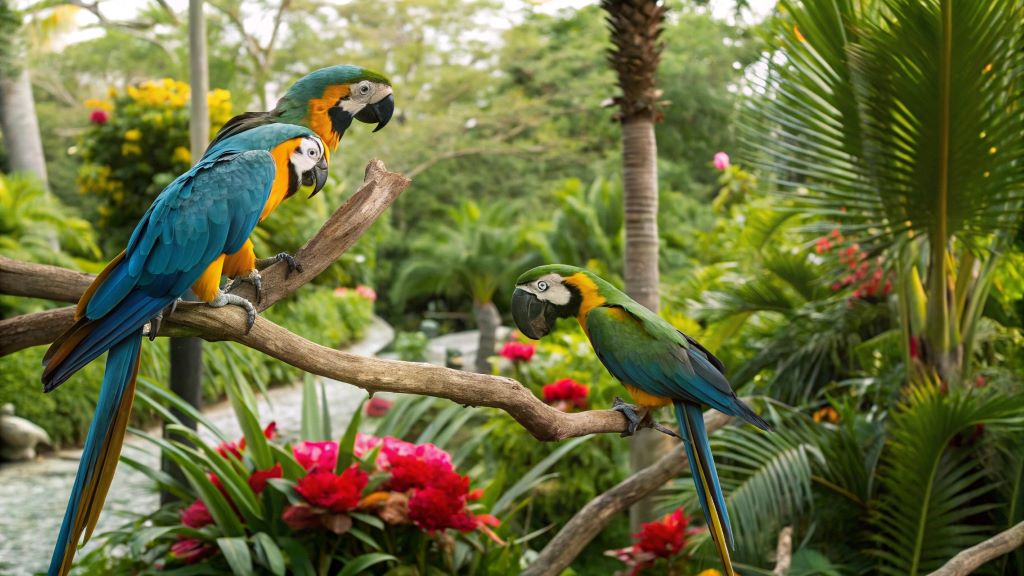
Miami’s parrot population traces its roots back to accidental escapes from captivity during the mid-20th century. As exotic pet trade boomed many species such as Monk Parakeets and Rose-ringed Parakeets found themselves released into the wild. Over time these adaptable birds thrived thanks to Miami’s subtropical climate abundant food sources and lack of natural predators.
According to Audubon Florida over 15 non-native parrot species now call South Florida home. This makes Miami one of the most biodiverse cities for urban parrot populations globally. But how did these birds learn to survive and thrive?
How Parrots Adapted to Urban Life
Parrots are incredibly intelligent creatures capable of solving complex problems and adapting quickly to new environments. In Miami they’ve mastered the art of scavenging from fruit trees backyard feeders and even discarded human food. Their social structure—often forming large flocks—provides safety in numbers while enhancing their ability to share information about resources.
However this adaptation hasn’t been without controversy. While some celebrate their vibrant presence others worry about potential ecological disruptions caused by non-native species competing with native wildlife.
Deciphering the Secret Language of Parrots
What Do Parrot Calls Really Mean?
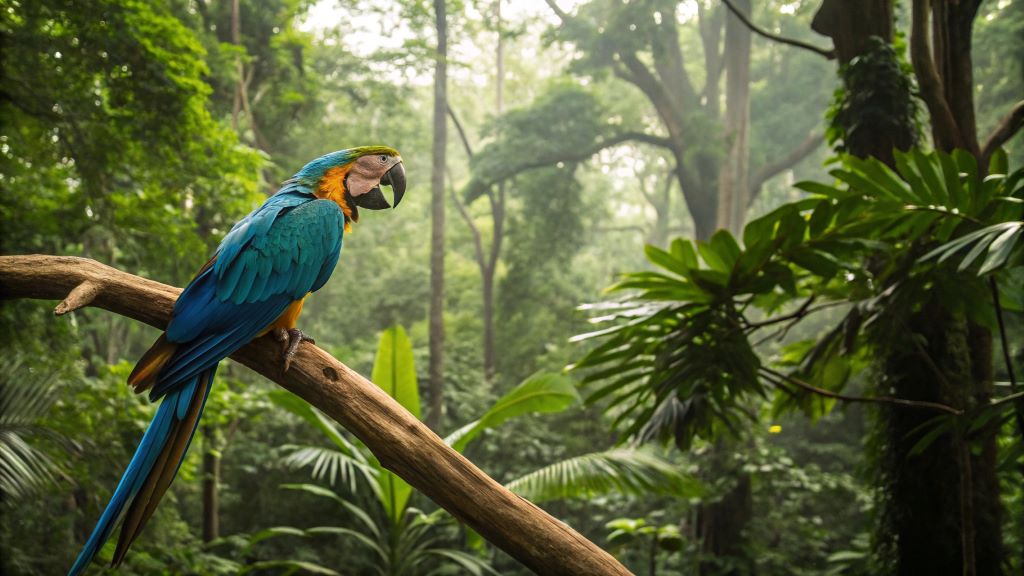
Parrots use an intricate system of vocalizations to convey emotions warn of danger or strengthen bonds within their flock. For example loud screeches often signal alarm while softer coos indicate contentment or courtship behaviors.
Research published in Behavioral Ecology suggests that parrots can mimic sounds to fit specific contexts demonstrating a level of cognitive sophistication previously underestimated. Some studies even propose that certain calls may function similarly to human words conveying distinct meanings understood by other parrots.
The Science Behind Vocal Learning
Unlike most animals parrots possess a unique neurological capacity for vocal learning allowing them to imitate sounds including human speech. Dr. Irene Pepperberg renowned for her work with Alex the African Grey Parrot demonstrated that parrots could grasp abstract concepts through their vocal abilities.
This skill isn’t just impressive—it’s functional. By mimicking car alarms construction noises or even human conversations parrots blend seamlessly into Miami’s noisy urban environment avoiding detection by predators like hawks.
Pros and Cons of Miami’s Parrot Population
Benefits of Having Parrots in the City
- Ecological Contributions : Parrots help disperse seeds across urban areas promoting plant growth and biodiversity.
- Tourism Appeal : Birdwatchers flock to Miami specifically to observe these charismatic birds boosting local economies.
- Cultural Symbolism : Parrots have become synonymous with Miami’s tropical allure symbolizing resilience and adaptability.
Challenges Posed by Non-Native Species
- Competition with Native Birds : Non-native parrots sometimes outcompete indigenous species for nesting sites and food.
- Noise Pollution : Large flocks can create significant noise disturbances especially in residential neighborhoods.
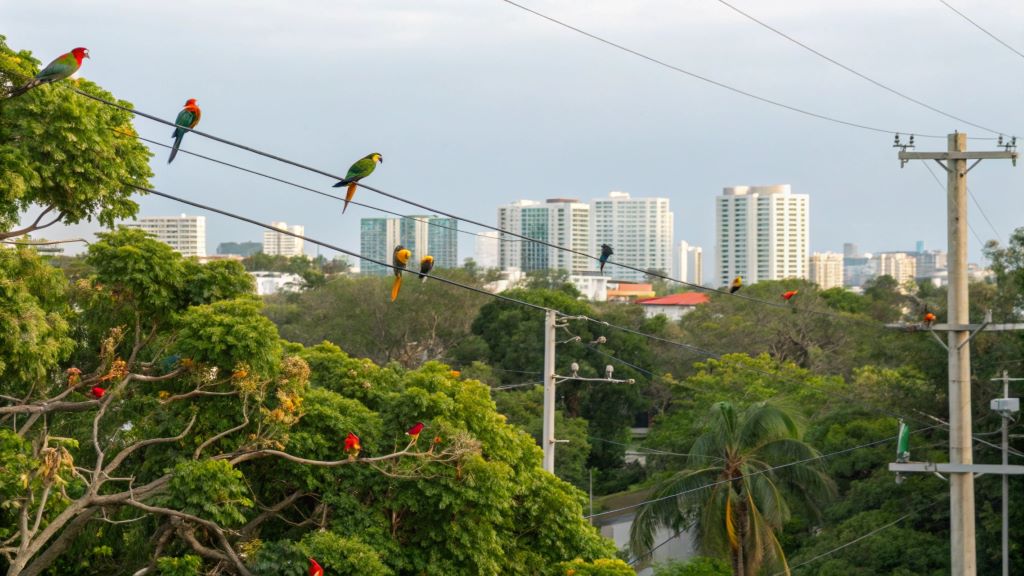
- Infrastructure Damage : Monk Parakeets notorious for building massive nests on power lines occasionally cause electrical outages.
Real Solutions for Coexisting with Parrots
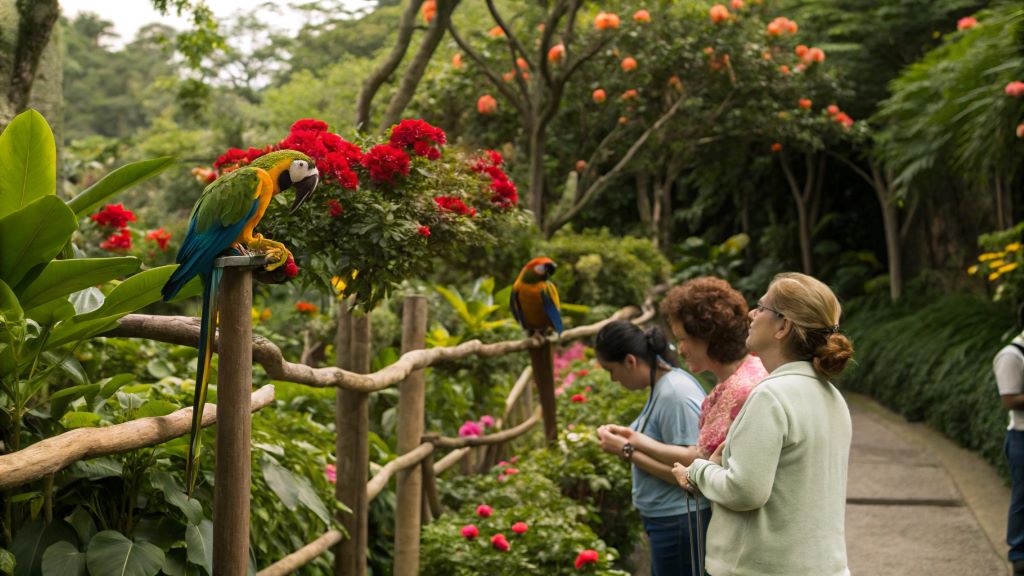
Creating Parrot-Friendly Spaces
To foster harmony between humans and parrots consider planting native fruit trees like mangoes and papayas which provide sustainable food sources. Additionally installing birdhouses designed for smaller native species can reduce competition for nesting sites.
Addressing Noise Concerns
For those troubled by parrot noise soundproofing windows or using white noise machines can mitigate disturbances. Engaging with community groups focused on responsible feeding practices can also discourage large flocks from gathering near homes.
Supporting Conservation Efforts
Organizations like the Tropical Audubon Society offer educational programs and volunteer opportunities aimed at protecting both parrots and native wildlife. Supporting such initiatives ensures balanced ecosystems where all species can coexist peacefully.
FAQs About Miami’s Parrots
- Are Miami’s parrots invasive?
While technically non-native most parrot species pose minimal threat to native ecosystems when managed responsibly. - Can parrots really talk?
Yes! Many parrots can mimic human speech though their understanding of language varies widely. - What do Miami’s parrots eat?
They primarily consume fruits seeds nuts and occasionally insects depending on availability. - Do parrots migrate?
Most Miami parrots are year-round residents preferring the warm climate over seasonal migration. - How long do parrots live?
Depending on the species parrots can live anywhere from 10 to 50 years in the wild. - Why are parrots so colorful?
Bright plumage helps attract mates and serves as camouflage in tropical forests. - Do parrots harm crops?
Occasionally yes particularly if they gather in large numbers around agricultural areas. - Is it legal to keep a parrot as a pet?
Yes but regulations vary by jurisdiction and ethical considerations should always be prioritized. - How can I identify different parrot species?
Look for distinctive markings colors and size differences; field guides and apps can assist identification. - What should I do if I find an injured parrot?
Contact local wildlife rehabilitation centers who specialize in caring for avian patients.
Conclusion: Embracing Miami’s Feathered Icons
Miami’s parrots are more than just beautiful birds—they’re storytellers historians and ambassadors of nature’s resilience. By understanding their secret language and appreciating their role in our shared ecosystem we can build a future where humans and parrots thrive together. Whether you’re a lifelong resident or a curious visitor take a moment to listen closely next time you hear their melodic chatter. You might just discover something extraordinary.
References:
- Audubon Florida – “Non-Native Parrots in South Florida”
- Behavioral Ecology Journal – “Vocal Communication in Wild Parrots”
- Dr. Irene Pepperberg’s Research on Avian Cognition
By combining scientific insight with actionable advice this article aims to engage educate and inspire readers to cherish Miami’s unique parrot population.
Read More:
FINDING MIAMI’S HIDDEN TIKI BAR TREASURE MAPS: UNVEILING THE CITY’S BEST-KEPT SECRETS
FINDING THE LEGENDARY MANGO SMOOTHIE TIME SLIP IN MIAMI: A DEEP DIVE INTO MIAMI’S TROPICAL SECRET