




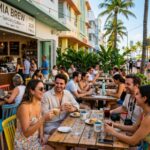



Miami pulses with Latin flavor, but nowhere does it shine brighter than during Little Havana Rumba Nights Miami. Nestled in the historic heart of Calle Ocho, these vibrant nights blend music, dance, and community in an electrifying celebration of Cuban culture.
A Legacy of Rhythm
Little Havana is not just a neighborhood—it’s a cultural landmark. The area’s deep Cuban roots trace back to the 1960s when political refugees turned Calle Ocho into a bustling hub of art, music, and life. Over the years, events like Little Havana Rumba Nights Miami have helped preserve and celebrate that heritage.
What makes this event different is the authenticity. You won’t find commercialized versions of Latin music here. Instead, you’ll hear traditional son cubano, Afro-Cuban percussion, and heartfelt rumba beats played by seasoned musicians who live and breathe the culture.
The Heart of the Night: Live Rumba and Salsa
Every week, as the sun sets over Miami, Little Havana transforms. Domino Park buzzes with locals playing their nightly game, while nearby, venues like Ball & Chain, Cubaocho, and El Pub open their doors to welcome guests to the real show—Little Havana Rumba Nights Miami.
At the core of these nights is the live rumba performance. Fueled by congas, bongos, and tres guitars, the music is both hypnotic and celebratory. It’s not just entertainment—it’s expression. Rumba originated in the Afro-Cuban communities of Havana and Matanzas, with rhythms that speak to resistance, resilience, and joy.
According to VisitFlorida.com, Miami ranks as the No. 1 destination for Latin music tourism, drawing over 8 million nightlife visitors each year. A significant portion of that foot traffic flows through Little Havana on Rumba Nights.
A Dancer’s Paradise
You don’t need formal training to join the dance floor. Rumba and salsa are social dances meant for everyone. Locals often say, “If you can walk, you can dance.” The community welcomes all skill levels, and the energy is contagious.
Dance instructors frequently offer impromptu lessons in local bars and cafes. This element makes Little Havana Rumba Nights Miami a perfect entry point for tourists and first-timers. For those familiar with salsa or bachata, the advanced dancers on site provide a masterclass in footwork and style.
A Feast for the Senses
The music and dance may take center stage, but the experience is immersive. Cuban cuisine—rich with flavor and tradition—is ever-present. From piping-hot croquetas and empanadas to refreshing mango mojitos, food vendors and restaurants bring Little Havana to life.
Thrillist.com highlights Ball & Chain as one of the top nightlife venues in Miami for both its rumba programming and food pairings. The bar’s signature “Calle Ocho Old Fashioned” is a local favorite, blending rum, bitters, and citrus to reflect the tropical soul of the area.

A Safe, Family-Friendly Atmosphere
Despite its nightlife reputation, Little Havana Rumba Nights Miami remains remarkably family-friendly. Street performers, artisans, and cultural exhibits turn this event into a multigenerational celebration. It’s not uncommon to see children dancing beside grandparents, sharing in the same traditions passed down for decades.
Organizers collaborate with local businesses and city officials to ensure a safe environment. Increased lighting, community patrols, and pedestrian-only zones make the area more walkable and inviting.
Cultural Preservation Through Entertainment
These nights do more than entertain—they preserve identity. According to the Cuban Research Institute at FIU, nearly 70% of Miami-Dade’s Cuban-American population believe cultural events are essential to passing down heritage. Rumba Nights serve as a bridge between past and future, introducing new generations to the music, language, and rituals of Cuba.
Artists from across Latin America are also featured regularly, making the experience pan-Latin, not just Cuban. This mix enriches the cultural tapestry and allows for deeper understanding of shared roots and rhythms.
How Tourism Fuels Local Economies
Little Havana Rumba Nights Miami isn’t just a cultural event—it’s an economic engine. Local vendors, restaurants, musicians, and small businesses thrive during these evenings. Estimates suggest that special events in Little Havana contribute over $25 million annually to the local economy.
The combination of authentic cultural immersion and economic opportunity makes this event sustainable and impactful. Visitors get a memorable experience, and locals benefit directly.
Frequently Asked Questions
- What days are Little Havana Rumba Nights held?
Most performances happen on Fridays and Saturdays, with special events on holidays and cultural weekends. - Is there an entry fee for Rumba Nights?
Many venues offer free access, though some live shows may require a small cover charge or a minimum drink purchase. - Where should I park for Little Havana Rumba Nights Miami?
Street parking is available, but it’s limited. Several paid parking lots on SW 8th Street offer easy access. - Can children attend Rumba Nights?
Yes, many events are family-friendly, especially early in the evening. Check venue details for age restrictions later at night. - Are reservations needed for popular venues?
It’s recommended to reserve tables at spots like Ball & Chain during peak nights, especially for large groups. - Do I need to know how to dance?
Not at all. The atmosphere is welcoming, and informal lessons are often available for beginners. - What’s the best time to arrive?
Arriving between 7 p.m. and 8 p.m. allows you to enjoy the atmosphere before crowds peak around 10 p.m.
Final Thought
Little Havana Rumba Nights Miami captures the soul of the city. It’s where culture, rhythm, and community converge. Whether you come for the music, the dance, or the food, you’ll leave with a piece of Havana in your heart. This is more than a night out—it’s a vibrant, living story that unfolds with every drumbeat.
Don’t just visit Miami. Experience it—one rumba beat at a time.
Read More:
A Collector’s Guide to Miami’s Antique and Vintage Festivals: Unveiling Hidden Treasures
Miami’s Culinary Competitions During Food Festivals: Unveiling the Flavors of the Magic City