






Picture this: You’re strolling down Calle Ocho at dawn, and suddenly, a line snakes out from a tiny window. Folks clutch thimble-sized cups of jet-black elixir, chatting animatedly before the sun even rises. Welcome to Miami’s wild world of Cuban coffee. This isn’t your average joe. Cuban migrants fleeing the 1959 revolution packed their moka pots and demerara sugar dreams, planting them firmly in Little Havana. Today, these habits blend bold flavors with unbreakable community ties.
According to the U.S. Department of Agriculture’s 2025 Coffee World Markets report, Latin American-inspired brews like these drive over 14 million bags of U.S. imports annually, with Miami leading per-capita espresso intake. Moreover, a 2024 Statista forecast shows Cuba’s coffee market revenue hitting $2.75 million, influencing exiles’ rituals here. But why do Miamians guzzle rocket fuel so sweetly? Let’s uncover the strange, sweet secrets that make Cuban coffee a Miami must.
The Roots of Cuban Coffee in Miami
Cuban coffee arrived in Miami like a storm in the 1960s. Exiles from Havana and Santiago de Cuba sought refuge, carrying more than suitcases. They brought cafeteras—those stovetop espresso makers—and a culture where coffee equaled conversation. Little Havana became ground zero. Families set up ventanitas, humble walk-up windows serving cafecito to neighbors. This wasn’t just caffeine. It fueled dreams of return and stories of loss.
Over decades, these roots deepened. By the 1980s, Mariel boatlift arrivals amplified the scene. Coffee shops multiplied along Southwest Eighth Street. Today, they dot the city, from Wynwood’s trendy spots to Hialeah’s old-school counters. However, the essence stays pure. Cuban coffee uses dark-roasted beans, ground fine for intensity. Demerara sugar caramelizes during brewing, creating espumita—that frothy crown locals swear by.
For instance, consider Versailles Restaurant. Opened in 1971, it draws lines for its cortaditos. Patrons linger, debating politics or baseball. This habit echoes Cuba’s pre-revolution cafes, where intellectuals gathered. Additionally, the social glue persists. A 2023 MSNBC feature highlighted how cafecito bridged generations post-revolution, turning strangers into kin.
Yet, what strikes outsiders as odd? The volume. Miamians down multiple shots daily, often starting at breakfast and ending at midnight. Furthermore, the preparation ritual borders on ceremony. No pour-overs here. It’s moka pot magic, heated low and slow.
What Makes Cuban Coffee So “Strange”?
To the uninitiated, Cuban coffee hits like a plot twist. It’s not mild drip. Instead, it’s espresso on steroids—tiny, sweet, and shockingly strong. Locals call it cafecito, but nicknames like “black death” float around for good reason. The strangeness lies in contrasts: scorching heat meets cloying sweetness, solitude meets sharing.
Moreover, brewing defies norms. Forget fancy machines. A classic cafetera simmers on gas stoves, sugar whipped into a paste first. This yields the signature foam, thicker than any latte art. As Barista Magazine noted in 2022, that espumita traps aromas, making each sip explosive. However, the real quirk? Portion size. Shots measure two ounces max, yet pack the punch of a double Americano.
Additionally, timing feels off-kilter. Miamians sip during commutes, not just mornings. Drive-thrus buzz at lunch. Evenings? Coladas flow at parties. This flexibility stems from Cuba’s rationing era, where coffee stretched far. Now, it symbolizes abundance.
The Sweet Shock of Demerara Sugar
Sugar isn’t optional. It’s the star. Cubans use demerara—raw, golden granules—for its molasses depth. During brewing, it dissolves into syrup, coating the brew. Result? A caramelized kick that outsiders mistake for dessert.
For example, try a traditional cafecito. The first sip bites with bitterness, then sweetness floods in. Locals balance it perfectly, but newcomers wince. Why this combo? History explains. Cuba’s sugarcane fields birthed the habit. By 1748, when coffee plants first rooted there, sugar was king. Exiles fused them seamlessly.
Furthermore, variations amp the weirdness. A cortadito adds steamed milk, softening the edge. Yet, even that’s sweeter than most lattes. In Miami, kids learn young—toddlers get watered-down versions. This early start puzzles health experts, but families insist it builds resilience.
Tiny Cups, Giant Kicks
Size matters, and here, smaller wins. Demitasse cups hold sips, not gulps. This forces mindfulness. You savor, not chug. However, the caffeine load? Triple a standard espresso. Beans roast dark, oils gleaming like varnish.
Thrillist captured this in 2015, calling ventanitas “drive-thrus for the soul.” Patrons grab and go, but the rush lingers hours. Additionally, the habit fosters efficiency. Miami’s hustle demands quick boosts. No wonder productivity spikes post-sip.
Yet, strangeness peaks in excess. Groups order one colada—$2 for four shots—pouring into shared thimbles. It’s communal thrift, born from scarcity. Now, it’s pure joy.
Related:
The Mystery of Miami’s Disappearing Sand Sculptures: Unraveling the Enigma
Alligator Sightings in Urban Fountains across Miami: A Miami Mystery Unveiled
Iconic Habits You’ll Only Find Here
Miami’s Cuban coffee scene thrives on rituals that bond people. These aren’t solitary Starbucks runs. They’re theater—loud, lively, layered with lore. From dawn patrols to midnight toasts, habits weave into daily life. Moreover, they adapt yet endure, mirroring the city’s evolution.
The Colada Ritual: Sharing Is Caring
Nothing screams Miami Cuban like a colada. This styrofoam tower holds a quart of cafecito, stacked with four to six tiny cups. Order one for the office. Pour rounds like shots at a bar. Laughter erupts as foam spills.
The Kitchn detailed this in 2019: It’s social glue. Coworkers bond over bitterness. Friends gossip mid-sip. Even strangers nod in solidarity. However, the quirk? No creamers needed. Purity reigns.
For practical value, master the pour. Tilt the big cup, fill small ones to the brim. Sip standing—tables are rare. This habit saves time, sparks chats. In a fast city, it slows you down just right.
Additionally, coladas fuel events. Weddings feature towers. Funerals? Vigil keepers pass them through nights, as one X post from 2025 shared about Cuban wakes. It’s comfort in liquid form.
Ventanitas: Windows to the Heart
Ventanitas define the strange charm. These curb-side slits in walls dispense coffee, croquetas, and culture. No seating. Just lean, order, linger. Originating in 1960s Cuba as open kiosks, they exploded in Miami.
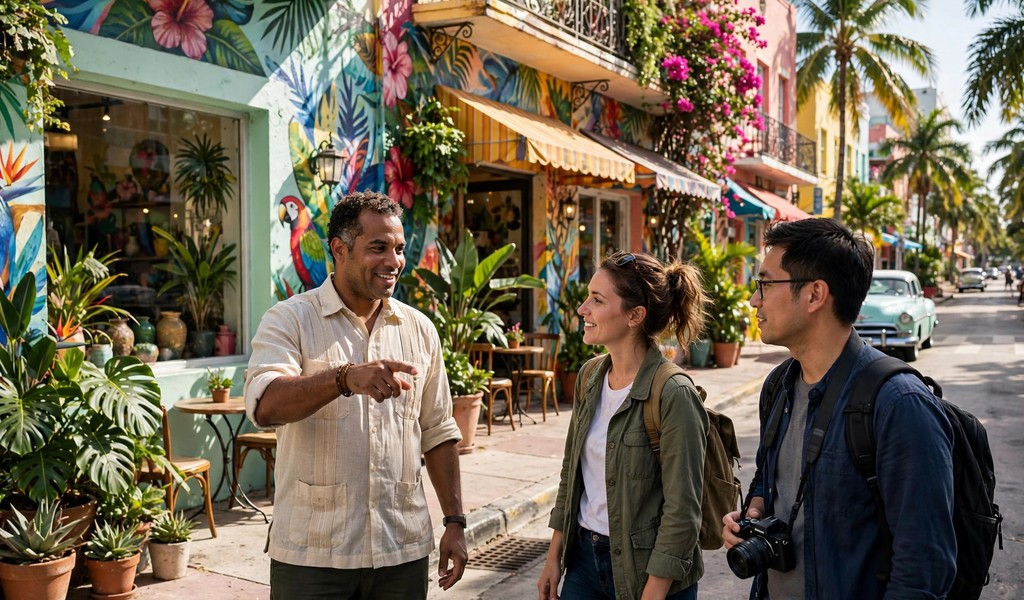
Walk Calle Ocho, and dozens appear. Versailles’ window hums 24/7. Patrons yell orders in Spanglish. Baristas banter back. Yet, the oddity? Service speed. Your cortadito arrives in 30 seconds, steaming.
Perfect Daily Grind’s 2020 guide praised this efficiency. It mirrors Miami’s rhythm—go, grab, grind. Furthermore, it’s inclusive. Tourists snap pics; locals ignore them, deep in debate.
To join in, spot the line’s end. Greet with “Buenos dias.” Pay cash for speed. This habit builds belonging. One tale: A newcomer fumbled orders, but smiles and sips made friends fast.
All-Night Cafecito Marathons
Sleep? Optional. Cuban coffee powers overnights. Factories run third shifts with coladas. Students cram with cortaditos. Even gas lines get perks—one 2017 CBS clip showed a bakery owner handing out free shots during shortages.
However, the deepest marathon? Wakes and parties. Families brew pots, serving through dawn. An X user in 2025 likened it to Spanish traditions, with coffee staving off sorrow. It’s endurance in a cup.
Practically, pace yourself. Alternate with water. This habit teaches moderation amid madness. Moreover, it highlights coffee’s role: Not just wake-up, but sustainer.
Where to Dive into These Habits
Ready to taste the strange? Miami brims with spots. Each offers quirks. Start in Little Havana for authenticity. Branch to hybrids blending old and new.
- Versailles Restaurant (3555 SW 8th St): Iconic ventanita. Grab a colada post-dinner. Lines form, but stories flow.
- La Ventanita (1433 SW 8th St): 24-hour gem. Midnight cortadito hits different. Watch locals philosophize.
- Sanguich de Miami (205 NE 1st St): Wynwood twist. Cuban sandwiches pair with sweet shots. Youthful vibe.
- Pamina (5729 SW 8th St): Modern take. Artisanal beans, traditional brew. Perfect for newbies.
- El Cristo (1543 SW 8th St): Divey delight. Cheap coladas, zero frills. Pure ritual.
Visit early. Mornings buzz. Evenings unwind. For example, hit Versailles at 7 AM. Share with strangers. Bonds form instantly.
Additionally, food tours amplify value. Little Havana walks include tastings. Learn brewing demos. This immerses you fully.
Modern Twists on Timeless Traditions
Evolution brews here too. Younger Miamians remix habits. Iced cafecitos combat heat—guava foam tops one 2025 Miami New Times fave. Yet, core stays: Sweet, strong, shared.
Moreover, sustainability stirs. 2024 Perfect Daily Grind reported Cuban producers investing in quality. Miami shops source ethically. This nods to roots while facing climate hits.
Health angles intrigue. Antioxidants abound, but sugar tempers benefits. Balance with walks—cafecito then stroll Calle Ocho. For families, dilute for kids. Habits adapt, enduring.
Case in point: Aventura Magazine’s 2025 guide spotlighted pour-overs infused with Cuban flair. Baristas experiment, drawing crowds. Strangeness evolves, staying fresh.
Health and Cultural Insights from the Brew
Beyond buzz, Cuban coffee offers lessons. Culturally, it preserves identity. Exiles passed recipes orally, forging ties. Today, it combats assimilation. Kids learn at abuelas’ knees.
Health-wise, moderation keys in. Espresso aids focus; foam’s oils support hearts. However, sweetness watches waistlines. Pair with plantains for balance.
Furthermore, community trumps isolation. Sharing coladas fights loneliness—a boon in urban sprawl. Studies, like those in 2024 Ellianos trends, show Florida’s iced-hot split reflects this versatility.
Practically, track intake. Journal moods post-sip. Many report creativity spikes. This habit, strange yet smart, enriches life.
Conclusion
Miami’s strange Cuban coffee habits weave a tapestry of flavor and fellowship. From colada shares to ventanita vows, they pulse with history and heart. You’ve glimpsed the sweet shock, tiny triumphs, and timeless ties. Now, step out. Hunt a ventanita. Order that cortadito. Share with a stranger. Let the brew bridge worlds. Your Miami adventure awaits—one frothy sip at a time.
What Is a Cafecito, and Why Is It So Popular in Miami?
Cafecito is a shot of sweetened espresso, brewed in a moka pot with demerara sugar for frothy espumita. It rules Miami because it packs energy and nostalgia. Exiles brought it for quick community boosts. Today, locals down it daily for that ritual rush.
How Do You Make a Traditional Colada at Home?
Fill a cafetera with water and grounds. Whip sugar into paste. Brew slow over low heat. Pour into a large cup, serve with small ones stacked. Share immediately. This yields four shots, perfect for mimicking Miami’s group vibe.
Are Cuban Coffee Habits Changing with New Generations?
Yes, but roots hold. Millennials add iced twists or oat milk. Yet, sweetness and sharing persist. A 2025 Aventura piece notes hybrids thrive, blending old brews with modern flair for broader appeal.
Why Do Miamians Drink Coffee So Sweet and Strong?
It stems from Cuba’s sugarcane legacy. Dark roasts meet caramelized sugar for balance—bitter meets bliss. Strength fuels humid days and long nights. Outsiders find it intense, but locals swear it’s life’s perfect jolt.
Can Non-Cubans Enjoy These Habits Without Feeling Out of Place?
Absolutely. Ventanitas welcome all. Smile, say “gracias,” sip slow. Share a colada to spark chats. Miami’s scene thrives on inclusion. Dive in—you’ll leave caffeinated and connected.
References
- https://perfectdailygrind.com/2020/05/a-guide-to-miami-coffee-culture/
- https://www.thekitchn.com/a-guide-to-ordering-amp-drinking-cuban-coffee-242431
- https://www.baristamagazine.com/misunderstood-drinks-meet-the-cafe-cubano/
- https://www.thrillist.com/drink/miami/ventanitas-and-the-cuban-coffee-community-in-miami