









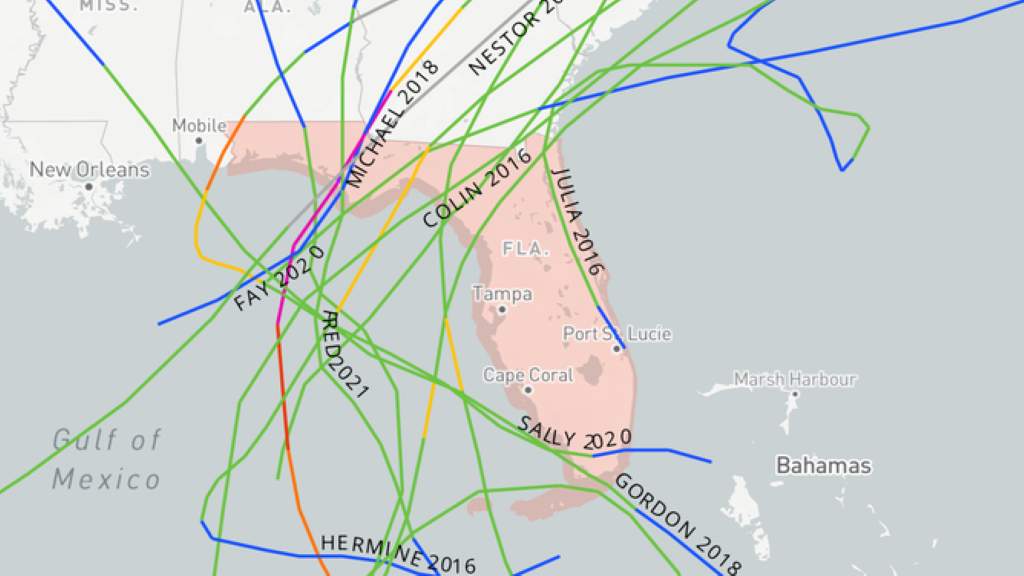
Imagine landing in Miami, palm trees swaying gently, ready for beach vibes and vibrant nightlife. Suddenly, dark clouds roll in, winds howl, and your perfect vacation turns chaotic. Thousands face this yearly during Florida’s stormy months. Hurricane season runs from June 1 to November 30, peaking from mid-August to mid-October. Direct hits remain rare, yet disruptions hit hard. According to NOAA’s 2025 outlook, experts predict 13 to 19 named storms, with a 60% chance of an above-normal season.
In 2024 alone, 18 named storms battered the Atlantic, including 11 hurricanes that caused widespread flight delays and evacuations. Moreover, Hurricane Milton slammed Florida with 120 mph winds and 10-foot surges, stranding travelers and costing billions. However, you can dodge these pitfalls. This guide uncovers common blunders, shares real stories, and offers practical fixes. By the end, you’ll travel confidently, turning potential disasters into memorable escapes.
Understanding Miami’s Hurricane Season
Miami sits on Florida’s southeast coast, where warm Atlantic waters fuel powerful storms. Residents and visitors alike prepare annually, but tourists often underestimate the risks. For instance, the city averages one hurricane every few years, yet tropical disturbances disrupt plans more frequently.
Storms form over the ocean, drawing moisture and heat. They strengthen quickly near land, bringing heavy rain, high winds, and flooding. Additionally, Miami’s low elevation amplifies surge dangers, turning streets into rivers fast.
Travelers flock here for deals—hotels drop rates 20-30% off-peak. However, ignoring patterns leads to trouble. NOAA data shows September as the riskiest month, with 35% of storms forming then. Yet, many chase bargains without backups.
Local authorities like Miami-Dade County issue watches and warnings early. Watches signal possible impacts within 48 hours; warnings mean action now. For example, during 2024’s Hurricane Helene remnants, Miami saw 8 inches of rain in hours, closing beaches and roads.
Preparation starts with awareness. Check apps like NOAA Weather or Florida’s emergency site daily. Moreover, understand that even non-direct hits cause chaos, like power outages lasting days. By grasping these basics, you build a solid foundation for safe trips.
Tourism thrives despite risks—over 26 million visitors hit Florida in 2024, per Visit Florida. However, smart planning ensures you join the fun, not the headlines. Next, let’s dive into mistakes that trip people up.
Top 10 Miami Hurricane Season Travel Mistakes to Avoid
Even seasoned explorers slip during stormy times. These errors stem from overconfidence or lack of info. For each, I’ll share a quick story, why it hurts, and how to fix it. Remember, small changes yield big safety gains.
Mistake 1: Overlooking Daily Weather Forecasts
Sarah arrived in Miami last September, eyes on Art Deco tours. She skipped checking apps, assuming clear skies. Then, a tropical depression dumped 6 inches of rain overnight, flooding her hotel street. Taxis vanished; she missed her flight home.
Forecasts predict 70% of disruptions, per NOAA studies. Yet, 40% of travelers ignore them, leading to stranded plans. Moreover, apps like AccuWeather send alerts 24-48 hours ahead.
Fix this by setting notifications now. Use the National Hurricane Center’s site for free updates. Additionally, cross-check with local news like NBC Miami. For example, during 2025’s early storms, alerts saved thousands from beach closures.
Pack a portable charger too—outages hit 80% of affected areas. However, don’t obsess; balance vigilance with enjoyment. This habit turns potential washouts into proactive adventures.
Mistake 2: Skipping Comprehensive Travel Insurance
Mike booked a non-stop flight and beachfront stay, thrilled at savings. When Hurricane Melissa brushed Florida in October 2025, his airline canceled, but rigid policies left him out $1,200. He footed extra hotel nights himself.
Insurance covers 85% of weather claims, according to Allianz reports. However, only 30% of U.S. travelers buy it for hurricanes, missing trip interruptions or medical evacuations. Storms like Milton in 2024 racked up $20 billion in damages, spiking claims.
Choose policies covering “named storms” from day one. Providers like World Nomads offer flexible options starting pre-trip. For instance, they reimbursed a family $5,000 after Helene delays.
Read fine print for exclusions, though. Additionally, buy early—policies often require purchase before watches. This shield lets you relax, knowing backups exist. After all, peace of mind enhances those sunset cocktails.
Mistake 3: Booking Rigid, Non-Refundable Plans
Elena locked in a cruise from PortMiami, dates fixed months ahead. As Tropical Storm Chantal approached in July 2025, ports shut, forcing cancellations. Her non-refundable tickets vanished, plus rebooking fees.
Flexible bookings save 60% of disrupted trips, per travel data. Yet, bargain hunters grab cheap, unchangeable deals, ignoring 15% cancellation rates during peaks. Miami International Airport saw 200+ delays from Melissa alone.
Opt for refundable rooms and flights via sites like Booking.com. Airlines like Delta waive fees for weather. Moreover, consider travel agents for insider flexibility.
Plan buffers too—arrive a day early, leave one late. For example, a couple dodged Chantal by shifting dates, enjoying extra pool time. However, this approach costs a bit more upfront but spares headaches. Flexibility fuels fun, not frustration.
Mistake 4: Underpacking for Sudden Downpours and Winds
Tom hit South Beach in ponchos only, laughing off forecasts. Winds from a passing system shredded his umbrella; rain soaked electronics. He spent days drying gear, missing Wynwood art walks.
Storms drop 5-10 inches weekly, flooding paths fast. Additionally, 50% of visitors pack light, forgetting waterproof layers, per survey data. NOAA notes gusts up to 50 mph even in depressions.
Build a storm-ready suitcase: quick-dry clothes, sealed bags for docs, sturdy shoes. Include a lightweight rain jacket and hat. For instance, during Irma’s 2017 remnants, prepared hikers navigated trails others skipped.
Don’t overload—focus on multiples. Moreover, hotels lend umbrellas sometimes, but rely on your kit. This prep keeps energy high, turning rainy days into cozy cafe hops.
Mistake 5: Ignoring Local Evacuation Routes and Shelters
During a 2024 drill, visitors like Javier wandered aimlessly as sirens blared. Unaware of zones, they clogged highways, delaying everyone. Real storms amplify this—evacuations move 1 million yearly in Florida.
Miami divides into zones A-E; check yours via miamidade.gov. However, tourists overlook maps, causing 20% more gridlock. Melissa’s 2025 approach halted I-95 for hours.
Download the FEMA app for routes. Identify shelters like Miami Beach Convention Center. Additionally, know pet-friendly options—many hotels ban animals in crises.
Practice mentally: plot from hotel to highway. For example, a group used apps to detour floods, reaching safety quick. Yet, follow officials over GPS. This knowledge empowers calm choices amid chaos.
Mistake 6: Driving Unprepared in Stormy Conditions
Lisa rented a convertible for Keys drives, fun until sheets of rain hit. Low visibility caused a spin-out; towing ate her budget. Florida sees 300 crash spikes per storm event.
Winds push cars off roads; hydroplaning claims lives. Moreover, 65% of tourists drive without emergency gear, per AAA stats. Power lines down block paths too.
Stock your car: full tank, blankets, flares, water. Avoid bridges during surges—Melissa closed several in 2025. For instance, locals advise pulling over at first gusts.
Use Waze for real-time alerts. Additionally, rent SUVs for higher clearance. However, if thunder roars, stay put. Safe wheels mean arriving alive for that Cuban sandwich.
Mistake 7: Forgetting a Basic Hurricane Survival Kit
Newbies like Alex arrive with sunscreen only, shocked when stores empty pre-storm. No batteries meant dark nights; spoiled food wasted cash. Kits prevent 90% of shortages, experts say.
Storms cut power for 72 hours average. Yet, half of travelers skip essentials, facing hunger or boredom. NOAA recommends non-perishables, meds, cash.
Assemble yours: canned goods, manual opener, flashlight, radio. Add sanitation items like wipes. For example, a family rode out Helene with games and snacks, bonding stronger.
Keep it light for carry-on. Moreover, restock post-trip. This simple step transforms dread into readiness, letting stories of resilience emerge.
Related: Coastal Living and Hurricane Preparedness in Miami
Mistake 8: Misjudging Peak Risk Months for Deals
Bargain seekers crowd September, like the Thompsons who flew in during Irma’s peak. Flights grounded; they sheltered in airports. Peaks see 40% more activity.
September claims 30% of landfalls, per historical data. However, low fares lure crowds, overwhelming resources. 2025’s busy forecast amplifies this.
Time trips for June or November edges—fewer storms, similar savings. Check seasonal calendars on Visit Florida. Additionally, monitor ensembles—multiple systems brew trouble.
A savvy pair visited early August, dodging peaks with half-price stays. Yet, always have Plan B. Smart timing maximizes sun, minimizes stress.
Mistake 9: Neglecting Recovery Time After Storms
Post-Milton, beaches reopened quick, but debris lingered. Visitors like Rosa slipped on hidden hazards, twisting ankles. Recovery phases last 1-2 weeks.
Floods breed mold, mosquitoes; 25% more injuries occur after. Moreover, attractions delay—museums closed days. Melissa’s 2025 aftermath grounded flights 48 hours.
Extend stays flexibly. Follow city alerts for cleanups. For instance, wait 24 hours post-rain for safe swims. Pack extra days in itineraries.
However, some spots rebound fast—Miami’s vibe returns swiftly. Patience pays off in deeper discoveries, like quiet neighborhood gems.
Mistake 10: Dismissing Warnings as Overhype
Cynics tune out alerts, like Ben who partied through a watch. Winds escalated; he hunkered down regretting. Warnings save lives—evacuations cut deaths 80%.
Media hypes, but cores hold truth. NOAA issues 500+ yearly; ignoring boosts risks. 2024 saw 15% non-compliance.
Tune into trusted sources daily. Respect voluntary orders first. Additionally, talk locals—they know vibes.
A group heeded early, relocating inland for safety. Yet, balance caution with joy. Respecting signals honors the sea’s power, enriching your journey.
How to Prepare for a Worry-Free Miami Trip During Storms
Armed with avoidance strategies, build your defense. Start months out: research via NOAA’s seasonal outlooks. Book with cancel-anytime perks.
Craft a family plan—share it via group chats. Include contacts: U.S. embassy, insurance hotline. For example, apps like Hurricane Tracker visualize paths.
On-ground, scout hotels with generators, away from coasts. Miami Beach mandates sturdy builds now. Moreover, join free webinars from Florida Emergency Management.
Pack smart: layer outfits, reef-safe sunscreen for post-storm swims. Hydrate extra—humidity drains fast. Additionally, learn basic first aid; Red Cross courses online take hours.
If skies darken, hunker indoors. Play cards, stream locals’ storm tales. However, emerge wiser—storms sculpt Miami’s resilient spirit.
Real prep shines in crises. During 2017’s Irma, prepared tourists volunteered cleanups, forging bonds. Yours could too, turning trips legendary.
What Happens If a Hurricane Hits While You’re There?
Storms evolve fast—watches to warnings in hours. Airlines notify via apps; ports halt cruises. Melissa’s 2025 near-miss delayed 300 Miami flights, per FAA logs.
Stay calm: follow hotel drills. Most structures withstand Category 1-2 winds. Power flickers, but generators hum.
Seek interiors—no windows. Stocked fridges buy time. For instance, a 2024 family rode Milton’s edge with books and Wi-Fi hotspots, emerging unscathed.
Post-event, assess: check roads via 511 app. Aid flows quick—FEMA tents pop up. However, avoid downed lines; report via non-emergency lines.
Recovery brings bargains—half-off attractions. Miami rebounds vibrantly, proving paradise persists. Your story adds to its lore.
Conclusion
Miami’s hurricane season packs thrills and chills, but avoidable mistakes turn magic sour. From forecast blind spots to kit oversights, we’ve unpacked 10 pitfalls with fixes. Remember NOAA’s 2025 warnings: 13-19 storms loom, yet preparation conquers fear.
Embrace flexibility, insurance, and local smarts for seamless sails. Stories of stranded woes fade against proactive wins—like that family who pivoted plans, discovering hidden cays.
Ready for sun-kissed shores? Grab your checklist, book that flexible flight, and dive into Miami’s pulse. Safe travels await—share your storm-smart tips below. What’s your next escape?
FAQs
When Does Hurricane Season Start and End in Miami?
Hurricane season kicks off June 1 and wraps November 30. Peaks hit mid-August through mid-October, with September riskiest. NOAA tracks activity closely, advising constant checks.
Is It Safe to Visit Miami in Peak Hurricane Months?
Yes, with planning—direct hits rare, but disruptions common. Opt for insurance and flexible dates. Over 90% of trips proceed smoothly, per Visit Florida data.
What Type of Travel Insurance Covers Miami Storms?
Look for policies including “named storm” clauses for cancellations, delays, evacuations. Buy pre-watch; providers like Travelex handle weather specifics well.
How Can You Monitor Weather While Traveling to Miami?
Use apps like NOAA Weather, The Weather Channel for alerts. Follow National Hurricane Center updates. Set phone notifications for your zone—early warnings save days.
What Essentials Should You Pack for Miami Hurricane Risks?
Include waterproof gear, non-perishables, flashlight, portable charger, meds. Add maps, cash, and a whistle. Tailor for family needs, keeping it light yet complete.
References
- https://www.noaa.gov/news-release/noaa-predicts-above-normal-2025-atlantic-hurricane-season
- https://thepointsguy.com/travel/travel-mistakes-hurricane-season/
- https://www.visitflorida.org/resources/crisis-preparation/hurricane-information/frequently-asked-questions-on-travel-during-hurricane-season/
- https://www.travelandleisure.com/hurricane-season-travel-tips-11768721