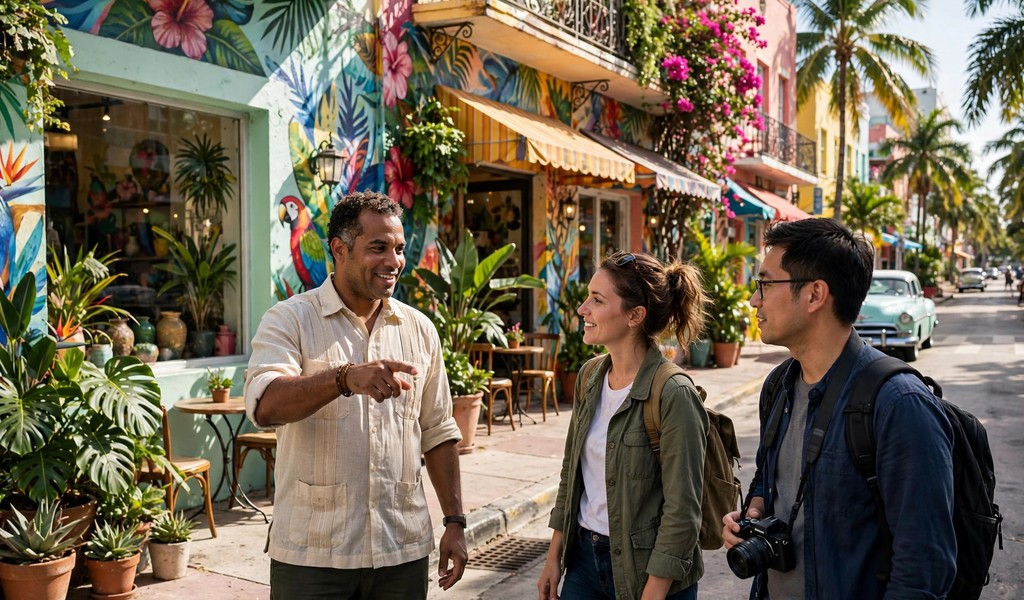










Miami’s diverse neighborhoods offer distinct advantages depending on your life stage and priorities. The average Miami house price was $625K last month, down 1.1% since last year, creating opportunities across different budget ranges. However, choosing the right Miami living area requires understanding how each community serves specific demographics.
The Magic City attracts millions annually, yet many newcomers struggle with neighborhood selection. Each area presents unique characteristics that either enhance or complicate daily life based on individual circumstances. Therefore, understanding these nuances prevents costly relocation mistakes and ensures long-term satisfaction.
Miami MSA ranked No. 2 top housing market in the U.S. for 2025, indicating strong investment potential across various neighborhoods. Additionally, the market dynamics favor informed buyers who understand neighborhood-specific trends and demographic patterns.
Family-Friendly Neighborhoods: Where Children Thrive
Coral Gables: The Crown Jewel
Coral Gables consistently ranks among America’s most desirable family communities. The neighborhood is generally quiet and safe, with a suburban feel that’s close to downtown Miami, while historic homes, parks, and plazas add to its appeal. Moreover, the Mediterranean Revival architecture creates an aesthetic environment that children remember fondly throughout their lives.
Schools within Coral Gables boundaries include some of Miami-Dade County’s highest-rated institutions. Parents particularly value the walkability factor, allowing children to safely navigate between school, home, and recreational activities. Furthermore, the community investment in public spaces demonstrates long-term commitment to family welfare.
The median home price reflects the premium families pay for quality education and safety. However, the investment typically appreciates faster than other Miami areas due to consistent demand from relocating families. Additionally, the neighborhood’s strict architectural guidelines preserve property values over decades.
Pinecrest: Suburban Charm
Pinecrest stands among the best Miami neighborhoods for raising families due to safety and proximity to top-rated schools. The community features larger lot sizes compared to urban Miami areas, providing children with adequate outdoor space for play and development.
Local amenities include multiple parks, recreational centers, and family-oriented businesses. Parents appreciate the slower pace of life while maintaining reasonable commute times to downtown Miami. Moreover, the village-like atmosphere fosters community connections that benefit both parents and children.
Housing options range from modest single-family homes to luxury estates. This diversity allows families to upgrade within the same school district as their needs evolve. Additionally, the stable property values provide confidence for long-term financial planning.
Key Biscayne: Island Paradise
Key Biscayne offers unique advantages for families seeking beachfront living combined with suburban amenities. Key Biscayne is known for low crime rates and family-friendly environments. The island location provides natural security boundaries while maintaining excellent schools and recreational facilities.
Children benefit from beach access, marine education opportunities, and outdoor activities year-round. The community center offers programs specifically designed for different age groups, ensuring engagement throughout childhood development stages. Furthermore, the limited access points create a close-knit community atmosphere.
Property prices reflect the premium location, yet families often consider the lifestyle benefits worth the investment. The resale market remains strong due to consistent demand from families prioritizing safety and unique living experiences. Additionally, the hurricane preparedness infrastructure provides peace of mind during storm seasons.
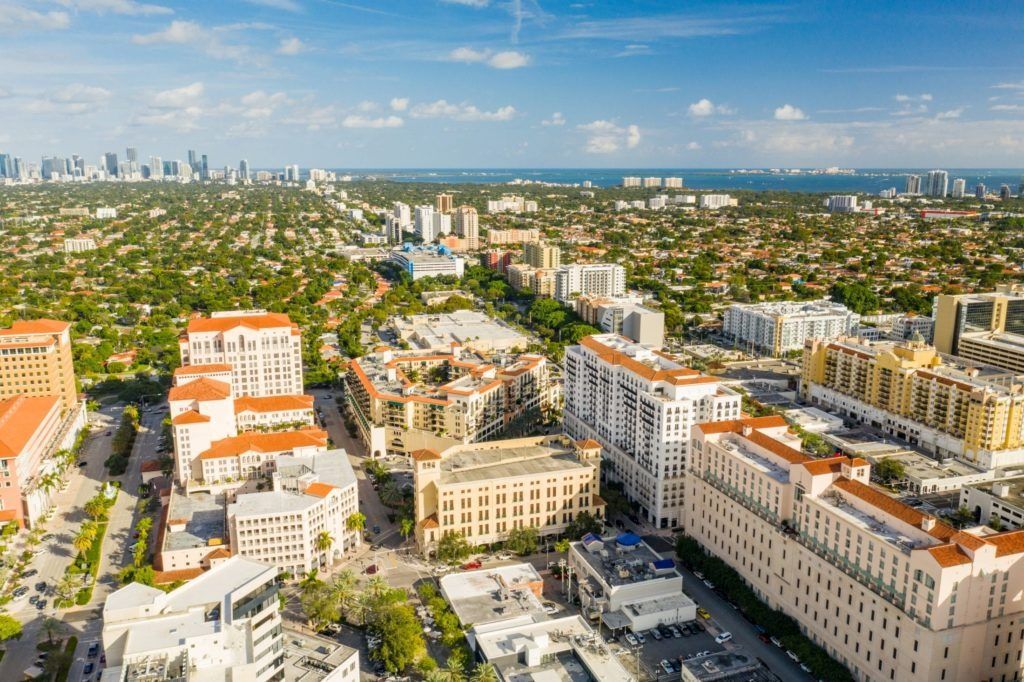
Singles and Young Professionals: Urban Energy
Brickell: Miami’s Manhattan
Brickell ranks among the best neighborhoods in Miami, particularly sought-after for its mix of luxury living and vibrant community spaces. The high-rise lifestyle appeals to young professionals seeking convenience and networking opportunities within walking distance of their apartments.
Restaurants, bars, and entertainment venues cater specifically to the professional demographic. The public transportation options, including Metromover access, eliminate commuting stress for downtown workers. Moreover, the 24-hour lifestyle accommodates various work schedules common in finance and technology industries.
Rental options dominate the market, providing flexibility for career-focused individuals who prioritize mobility over homeownership. The amenities within luxury buildings often include fitness centers, pools, and business centers that replace traditional gym and office memberships. Additionally, the security features appeal to safety-conscious single residents.
Downtown Miami: Central Hub
Downtown Miami offers one of the best places to rent in Miami with a large selection of apartments and condos, making it a great place for singles and young professionals to call home. The employment concentration reduces commute times and increases networking opportunities within various industries.
Cultural attractions, including museums, theaters, and art galleries, provide intellectual stimulation outside work hours. The diverse dining scene reflects Miami’s international character, appealing to young professionals from various backgrounds. Furthermore, the walkability score exceeds most American cities, reducing transportation costs and environmental impact.
The rental market offers options from budget-friendly studios to luxury penthouses. This variety allows career progression to coincide with housing upgrades within the same neighborhood. Additionally, the constant development ensures modern amenities and improved infrastructure over time.
Coconut Grove: Historic Charm
Coconut Grove, Miami’s oldest neighborhood known as “The Grove” by locals, is located along the breathtaking Biscayne Bay and is home to some of the best schools in the area. Singles appreciate the neighborhood’s artistic community, independent businesses, and waterfront activities.
The area attracts creative professionals, entrepreneurs, and individuals seeking alternative lifestyle options. Sidewalk cafes, boutique shopping, and weekend markets create social opportunities for meeting like-minded individuals. Moreover, the sailing and boating culture provides unique recreational activities not available in other Miami neighborhoods.
Housing costs fall below Brickell and Downtown levels while maintaining proximity to employment centers. The mix of apartments, condos, and small homes accommodates different budget ranges and living preferences. Additionally, the neighborhood’s commitment to preserving its character ensures long-term appeal for residents valuing authenticity over development trends.
Retirement Haven: Golden Years in Paradise
Aventura: Active Adult Community
Aventura provides comprehensive amenities for retirees seeking active lifestyles combined with convenience. The planned community design includes medical facilities, shopping centers, and recreational opportunities within walking distance or short drives from residential areas.
Golf courses, tennis courts, and fitness centers cater to health-conscious retirees. The cultural calendar includes concerts, lectures, and social events designed for mature adults. Furthermore, the public transportation connections facilitate independence for non-driving residents.
The condominium market dominates housing options, providing maintenance-free living for individuals preferring to focus on leisure activities. Many buildings offer concierge services, valet parking, and security features that appeal to safety-conscious retirees. Additionally, the proximity to quality healthcare facilities provides peace of mind for health-related concerns.
Sunny Isles Beach: Oceanfront Luxury
Sunny Isles Beach combines beachfront living with urban amenities, creating an ideal retirement environment for affluent seniors. The high-rise condominiums offer spectacular ocean views and resort-style amenities typically associated with vacation destinations.
Health benefits from ocean air and beach walking appeal to retirees prioritizing wellness during their golden years. The international community provides cultural diversity and intellectual stimulation through various social clubs and organizations. Moreover, the proximity to medical specialists in nearby areas ensures quality healthcare access.
Investment potential remains strong due to international buyer interest and limited beachfront development opportunities. Retirees often appreciate the property appreciation potential for estate planning purposes. Additionally, the rental income potential provides supplemental retirement income when properties aren’t occupied year-round.
Coral Way: Affordable Elegance
Coral Way offers affordable and safe neighborhoods with median home prices ranging from $169,100 to $592,500, catering to retirees seeking value. The area provides access to Miami amenities without premium pricing associated with more exclusive neighborhoods.
The Hispanic cultural influence creates vibrant community life through festivals, restaurants, and social gatherings. Retirees appreciate the intergenerational community atmosphere and opportunities to engage with local traditions. Furthermore, the public transportation options reduce reliance on personal vehicles as aging progresses.
Healthcare facilities and pharmacies concentrate along major corridors, providing convenient access to medical services. The walkable commercial districts encourage social interaction and physical activity essential for healthy aging. Additionally, the stable property values protect retirement investments while providing affordable living options.
Housing Market Trends and Investment Considerations
Miami home prices are forecasted to increase by nearly 10% in 2025, making current purchases strategic for long-term residents. However, different neighborhoods experience varying appreciation rates based on demographic demands and development patterns.
Mortgage rate predictions suggest improved affordability throughout 2025. The Miami Association of REALTORS anticipates the 30-year fixed mortgage rate will drop to 6.6% by late 2024 and to 5.7% by the end of 2025. Therefore, timing purchases during rate declines maximizes purchasing power across all demographic categories.
Supply constraints continue affecting inventory levels in desirable neighborhoods. There is a shortage of single-family homes in the county, with low inventory partially attributed to limited land, creating competitive conditions for family-oriented areas particularly.
Transportation and Accessibility
Miami’s public transportation system, including Metrobus, Metrorail, and Metromover, connects major neighborhoods to employment and entertainment centers. However, service frequency and coverage vary significantly between areas, affecting daily convenience for car-free residents.
Traffic congestion impacts commute times during peak hours, particularly for neighborhoods requiring highway access to reach downtown employment. Therefore, residents should consider work schedules and transportation preferences when selecting neighborhoods based on lifestyle priorities.
Bicycle infrastructure continues expanding, providing alternative transportation options for environmentally conscious residents. The bike-sharing programs and dedicated lanes make cycling viable for short-distance trips within neighborhoods and between adjacent areas. Additionally, the year-round weather supports outdoor transportation methods.
Professional Expert Tips for Miami Living
Location Selection Strategy: Research school ratings even if you don’t have children, as they significantly impact property values. Additionally, consider hurricane evacuation zones and flood insurance requirements when evaluating coastal properties.
Budget Planning: Factor in association fees, property taxes, and insurance costs that vary dramatically between neighborhoods. Moreover, include transportation costs in your budget, as some areas require car ownership while others support car-free lifestyles.
Community Integration: Attend neighborhood association meetings and local events before purchasing to understand community dynamics. Furthermore, speak with current residents about their experiences, challenges, and satisfaction levels with their housing decisions.
Future Development: Research planned developments, infrastructure improvements, and zoning changes that could affect property values and neighborhood character. Additionally, consider how demographic trends might influence your chosen area over your expected residency period.
Professional Networks: Connect with local real estate agents, mortgage brokers, and contractors who specialize in your target neighborhoods. Moreover, establish relationships with service providers before needing their assistance during emergencies or routine maintenance.
Also Read:
Miami’s Skyward Surge: Unveiling the Majesty of the Soon-to-Be Tallest Building
Featured Snippet: Which Miami neighborhood is best for families in 2025?
Answer: Coral Gables ranks as Miami’s top family neighborhood in 2025, featuring excellent schools, low crime rates, and median home prices around $1.2 million. Bloomberg named Coral Gables the priciest neighborhood in the nation in 2024, beating out Beverly Hills, while families value its safe environment and top-rated schools. Additionally, Pinecrest offers similar family amenities with slightly more affordable housing options starting around $800,000. The best neighborhoods for families based on safety and proximity to top-rated schools are Pinecrest, Coral Gables, High Pines, and Key Biscayne. These areas consistently rank highest for educational quality, recreational facilities, and community engagement opportunities that families prioritize when relocating to Miami.
Frequently Asked Questions
Q: What is the safest neighborhood in Miami for families?
A: Coral Gables, Pinecrest, and Key Biscayne are known for their low crime rates and family-friendly environments. These areas consistently rank among Miami’s safest neighborhoods due to active community policing and well-maintained public spaces.
Q: Which Miami neighborhood offers the best value for retirees?
A: Coral Way provides affordable and safe living with median home prices ranging from $169,100 to $592,500, making it ideal for budget-conscious retirees seeking Miami lifestyle benefits without premium costs.
Q: Where should young professionals live in Miami?
A: Brickell, Downtown, and Edgewater rank among the best neighborhoods for singles and young professionals due to employment proximity, nightlife options, and public transportation access.
Q: How much should I budget for housing in Miami?
A: The average home value in Miami is $588,264, but costs vary significantly by neighborhood. Budget 30-40% of income for housing costs, including insurance, taxes, and association fees.
Q: Are Miami neighborhoods walkable?
A: Walkability varies by area. Downtown, Brickell, and Coconut Grove offer excellent walkability, while suburban areas like Pinecrest require personal transportation for most activities.
Q: What Miami neighborhoods have the best schools?
A: Coconut Grove and Coral Gables are home to some of the best schools in Miami, with Pinecrest and Key Biscayne also featuring highly-rated educational institutions.
Q: How do hurricane risks affect neighborhood selection?
A: Coastal areas face higher hurricane and flooding risks, affecting insurance costs and evacuation procedures. Inland neighborhoods like Coral Gables and Pinecrest experience lower storm surge risks but still require hurricane preparedness planning.
Conclusion
Selecting the perfect Miami neighborhood requires careful consideration of your life stage, budget, and lifestyle priorities. Families benefit most from areas like Coral Gables and Pinecrest, which prioritize safety and education quality. Meanwhile, singles and young professionals thrive in urban environments like Brickell and Downtown Miami, where career opportunities and social activities are concentrated.
Retirees find their paradise in communities like Aventura and Sunny Isles Beach, which offer maintenance-free living and resort-style amenities. However, budget-conscious seniors discover excellent value in areas like Coral Way, which provide Miami lifestyle benefits without premium pricing.
Miami’s ranking as the No. 2 top housing market in the U.S. for 2025 reinforces the city’s appeal across all demographics. Therefore, informed neighborhood selection positions residents for long-term satisfaction and financial success in this dynamic metropolitan area.
The key to successful Miami living lies in matching neighborhood characteristics to personal priorities. Whether seeking family-friendly environments, urban excitement, or peaceful retirement communities, Miami’s diverse neighborhoods offer options for every lifestyle and budget consideration.
Read More: Buying Property in Miami: What You Need to Know in 2025