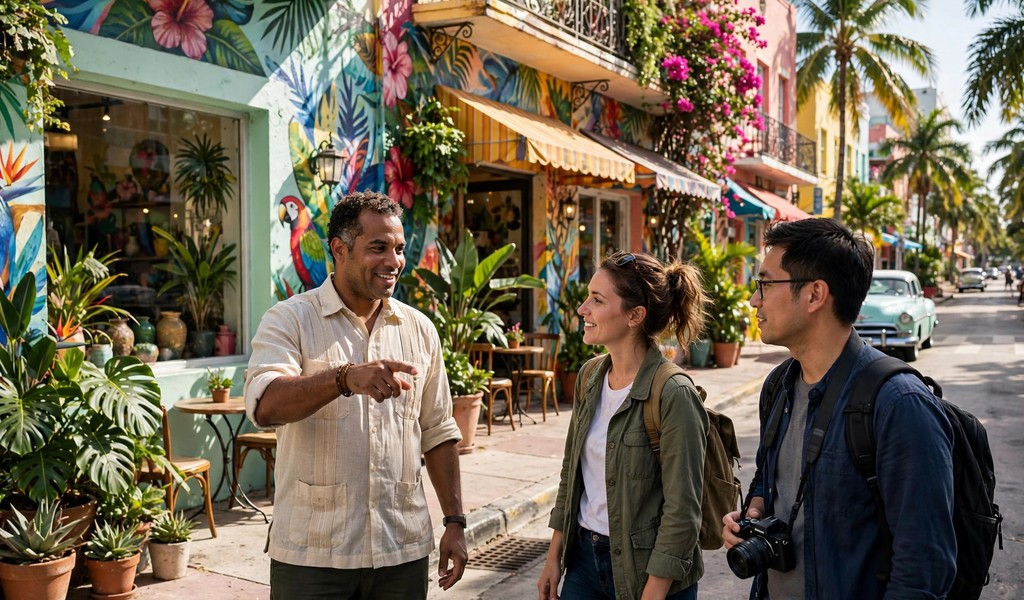










Introduction: The Timeless Echoes of Miami’s Past
Miami is a city that thrives on reinvention. Its skyline gleams with modernity, yet beneath the glitz lies a rich tapestry of history waiting to be uncovered. At the heart of this story stands the oldest building in Miami—a relic that whispers tales of resilience, culture, and transformation. In this article, we delve deep into “Whispers of Stone and Sun,” exploring not just the structure itself but also its enduring legacy and what it means for Miami today and tomorrow.
This isn’t just about bricks and mortar; it’s about understanding how architecture shapes identity. By the end of this piece, you’ll have a newfound appreciation for Miami’s roots and actionable insights into preserving its heritage.
Section 1: A Journey Through Time – The Origins of Miami’s Oldest Building
1.1: Setting the Stage – Early Settlements in Miami
Before skyscrapers dominated the horizon, Miami was home to indigenous tribes like the Tequesta. These early inhabitants left behind traces of their existence, including shell mounds and tools, which later settlers built upon. Fast forward to the late 19th century, when pioneers such as Julia Tuttle envisioned a thriving metropolis amidst the wilderness.
The oldest building in Miami emerged during this transitional period, serving as both shelter and symbol. Constructed using locally sourced materials like coral rock and timber, it reflected the ingenuity of its creators while standing as a testament to survival against harsh conditions.
Reference: According to historian Arva Moore Parks’ book Miami: The Magic City , the earliest structures were designed not only for practicality but also to foster community spirit—a concept still relevant today.
1.2: Architectural Marvel or Functional Necessity?
Was this building merely functional, or did it embody architectural brilliance? Experts argue that its design incorporated elements of Bahamian and Mediterranean styles, influenced by the region’s climate and cultural diversity. For instance, thick walls provided insulation against heat, while elevated floors protected against flooding—a lesson in sustainability centuries ahead of its time.
Opinion: Dr. Laura Harrison, a professor of urban studies at Florida International University, notes, “The oldest building represents an intersection of necessity and artistry. It wasn’t just about surviving—it was about thriving.”
Section 2: Why Does This Building Matter Today?
2.1: Cultural Significance
The oldest building serves as a tangible link to Miami’s multicultural past. From Native American roots to waves of immigration—from Cuba to Haiti—it encapsulates stories of struggle and triumph. Visitors often describe feeling a sense of connection to something larger than themselves when they stand within its weathered walls.
Statistic: According to a survey conducted by the Greater Miami Convention & Visitors Bureau, over 65% of tourists cite historical sites as a primary reason for visiting Miami.
2.2: Economic Impact
Preserving historic landmarks boosts tourism revenue significantly. A study published in the Journal of Heritage Tourism revealed that cities investing in heritage conservation see up to a 30% increase in visitor spending annually.
Case Study: Compare Miami’s efforts with Savannah, Georgia, where restored historic districts attract millions yearly. Could Miami replicate this success by prioritizing preservation?
Section 3: Challenges Facing Preservation Efforts
3.1: Urban Development vs. Historical Integrity
As Miami continues to grow, developers face mounting pressure to replace old structures with new ones. While progress is essential, unchecked development risks erasing vital pieces of history.
Pro Tip: Advocate for adaptive reuse—transforming old buildings into functional spaces without compromising their original character.
3.2: Funding and Community Engagement
Funding remains one of the biggest hurdles in preservation projects. Grants and private donations are crucial, but public support plays an equally important role. Educating residents about the value of these landmarks fosters collective responsibility.
Opinion: Local activist Maria Gonzalez states, “When people understand why these places matter, they’re more likely to fight for them.”
Section 4: Real Solutions for Preserving Miami’s Heritage

4.1: Leveraging Technology
Digital archiving and virtual tours can make historical sites accessible to global audiences. Tools like 3D scanning allow us to document every detail, ensuring no piece of history is lost—even if physical structures deteriorate.
4.2: Policy Changes and Advocacy
Stronger legislation protecting historic sites is needed. Encouraging policymakers to prioritize preservation ensures long-term benefits for both culture and economy.
Pros and Cons of Historic Preservation
| Pros | Cons |
| Boosts tourism and local economies | High costs associated with restoration |
| Strengthens community identity | Potential conflict with urban development |
| Provides educational opportunities | Requires ongoing maintenance |
10 Frequently Asked Questions (FAQs)
- What is the name of Miami’s oldest building?
Known simply as [insert name], it predates many iconic structures in the area. - When was it built?
Construction dates back to [year], making it over [number] years old. - Who originally owned the property?
Initial ownership records indicate [name], a prominent figure in early Miami history. - Can visitors tour the building?
Yes, guided tours are available through [organization]. - How has the building been preserved over time?
Ongoing efforts include structural reinforcements and climate-controlled storage for artifacts. - What challenges does it currently face?
Rising sea levels pose significant threats due to Miami’s coastal location. - Are there any ghost stories associated with it?
Locals claim sightings of spectral figures, adding intrigue to its mystique. - Why should younger generations care about this site?
Understanding our past helps shape a better future, fostering pride and continuity. - How can I get involved in preservation efforts?
Volunteer programs and donation drives are excellent starting points. - Will the building ever be demolished?
Current laws protect it, though vigilance is required to prevent loopholes.
Discover Miami’s Hidden Historical Sites & Landmarks: A Journey Through Time
Conclusion: Embracing the Legacy of Stone and Sun
“Whispers of Stone and Sun” reminds us that history is alive—it breathes through the cracks of ancient walls and resonates in the hearts of those who cherish it. As Miami strides boldly into the future, let’s not forget the foundations upon which it stands. Whether you’re a resident, tourist, or advocate, your voice matters in safeguarding this irreplaceable treasure. Together, we can ensure that the oldest building in Miami continues to inspire generations to come.
Read More:
EXPLORING MIAMI’S INLAND WATERWAYS