









Introduction: The Allure of Miami After Dark
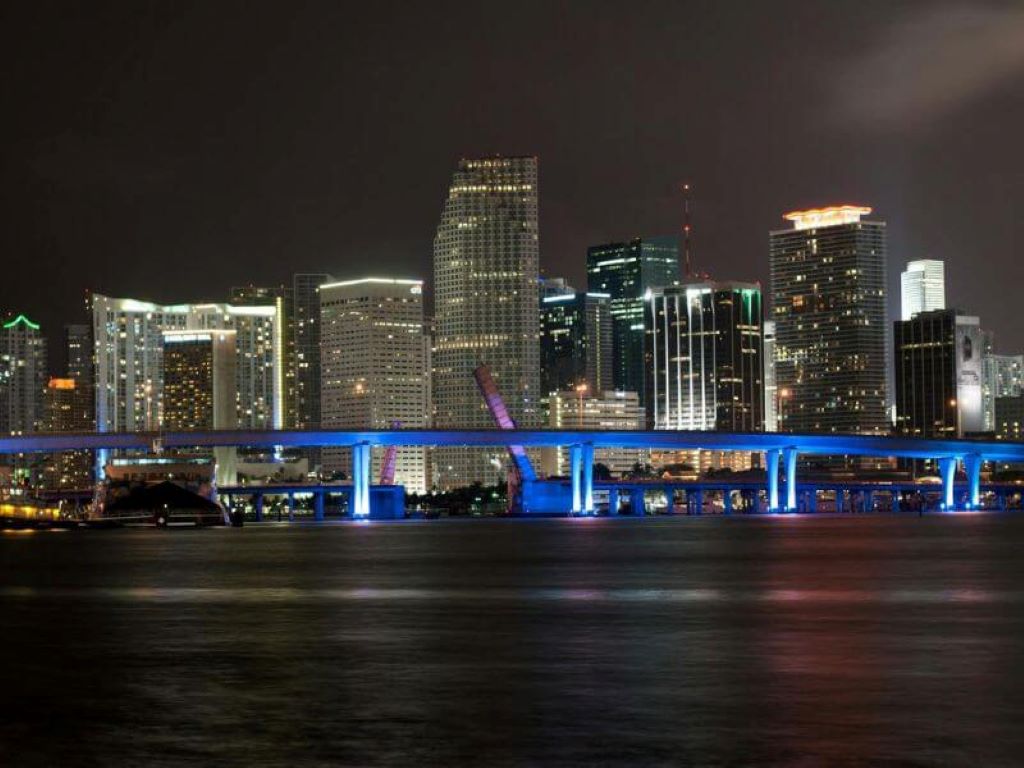
Miami is a city that never truly sleeps. Beneath the neon glow of its skyline lies a world of endless possibilities, where the rhythm of the ocean meets the beat of basslines reverberating through the streets. From South Beach to Wynwood, Miami’s nightlife isn’t just about clubs and cocktails—it’s a cultural symphony that tells the story of a city unapologetically alive. However, even the most vibrant scenes must wind down, as indicated by the Closing Hours of Miami’s Vibrant Nightlife , marking the transition from electric nights back to the serene beauty of its tropical days.
In this article, we’ll dive deep into Miami’s Midnight Symphony , uncovering the secrets of its closing hours, exploring the evolution of its nightlife scene, and offering actionable insights for both locals and visitors. Whether you’re a seasoned club-goer or a curious newcomer, this guide will help you navigate the vibrant tapestry of Miami’s after-hours culture.
The Anatomy of Miami’s Nightlife Scene
The Historical Roots of Miami’s Party Culture
Miami’s nightlife didn’t emerge overnight. Its roots trace back to the Prohibition era when speakeasies thrived in secret corners of the city. Fast forward to the 1980s, and Miami became synonymous with glitz, glamour, and the rise of electronic dance music. Today, it stands as one of the world’s premier nightlife destinations, attracting millions annually. According to a 2022 report by Visit Florida, nightlife contributes over $1 billion annually to Miami’s economy.
The Role of Music and Art in Shaping Nightlife
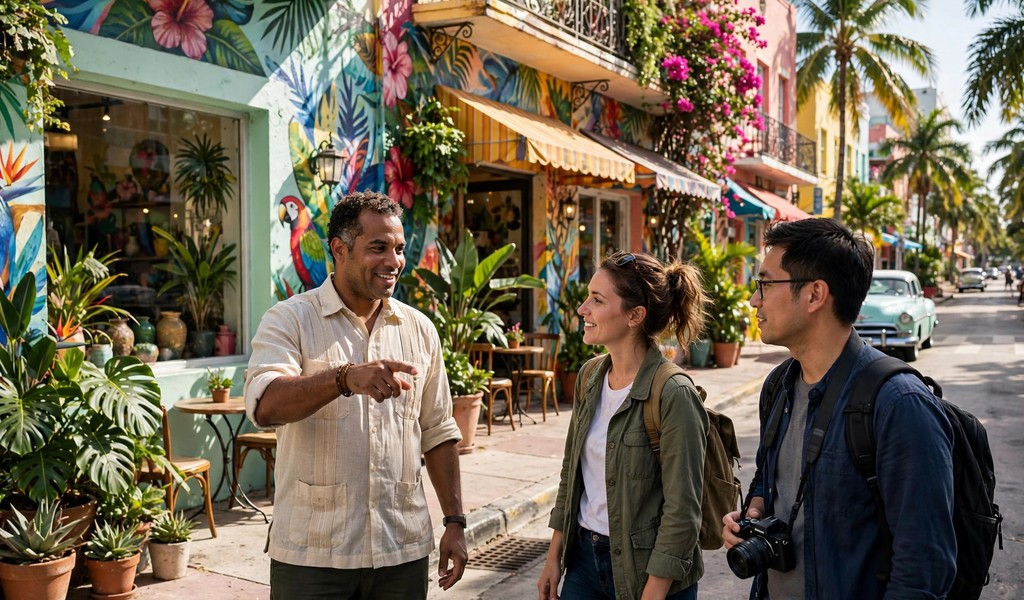
Music is the lifeblood of Miami’s nightlife. From Latin beats in Little Havana to underground techno in Wynwood warehouses, the city offers a diverse auditory experience. Art also plays a pivotal role, with murals and installations transforming neighborhoods like Wynwood into open-air galleries. As noted by Forbes , Miami’s fusion of music and art creates an immersive nightlife experience unmatched by other cities.
The Iconic Neighborhoods That Define Miami’s Nightlife
South Beach: Where Glamour Meets Grit
South Beach remains the crown jewel of Miami’s nightlife. Ocean Drive buzzes with energy, hosting everything from rooftop lounges to beachfront clubs. However, critics argue that the area has become overly commercialized, losing some of its authentic charm. Despite this, venues like Story and LIV continue to draw A-list celebrities and international DJs.
Pros:
- World-class entertainment
- Stunning views of the Atlantic Ocean
- High-profile events and festivals
Cons:
- Overcrowded and expensive
- Limited local flavor
Wynwood: The Heart of Underground Culture
Wynwood has emerged as a haven for those seeking authenticity. Its industrial vibe and avant-garde art scene attract creatives and free spirits. Clubs like Do Not Sit On The Furniture offer intimate settings for electronic music lovers. According to Resident Advisor , Wynwood’s underground scene is reshaping Miami’s reputation as more than just a party hub.
Pros:
- Diverse musical genres
- Affordable entry fees
- Unique artistic ambiance
Cons:
- Limited late-night options compared to South Beach
- Parking can be challenging
Secrets of Surviving Miami’s Closing Hours
Timing is Everything
The real magic of Miami’s nightlife often happens after midnight. While many clubs wind down by 3 AM, certain spots stay open until sunrise. For instance, Club Space is legendary for its marathon sessions that last well into the morning. To make the most of your night, arrive fashionably late—around 11 PM—to avoid peak cover charges.
Dress Codes and Etiquette
Miami takes its dress codes seriously. Whether you’re heading to a high-end lounge or a casual bar, dressing to impress is non-negotiable. Men should opt for smart-casual attire, while women can embrace bold colors and statement pieces. Remember, confidence is your best accessory.
Transportation Tips
Navigating Miami’s nightlife safely requires planning. Rideshare apps like Uber and Lyft are reliable options, but surge pricing can be steep during peak hours. Alternatively, consider using designated drivers or booking private car services for a hassle-free experience.
The Economic and Cultural Impact of Miami’s Nightlife
Boosting Local Economies
Nightlife is a significant economic driver for Miami. It supports thousands of jobs, from bartenders and DJs to security staff and promoters. Additionally, it attracts tourists who spend generously on accommodations, dining, and entertainment. A study by the Greater Miami Convention & Visitors Bureau revealed that nightlife-related tourism generates over $500 million annually.
Challenges Facing the Industry
Despite its success, Miami’s nightlife faces challenges such as noise complaints, gentrification, and regulatory hurdles. Some residents feel alienated by the influx of tourists, leading to tensions between communities and businesses. Balancing growth with sustainability remains a pressing issue.
Real Solutions for Enhancing Miami’s Nightlife
Promoting Diversity and Inclusion
Efforts are underway to make Miami’s nightlife more inclusive. Initiatives like Women in Music aim to empower female DJs and industry professionals. Similarly, LGBTQ+ friendly venues like Twist and Score provide safe spaces for marginalized communities.
Embracing Sustainability
As environmental concerns grow, eco-conscious practices are gaining traction. Bars and clubs are adopting measures like recycling programs and reduced plastic usage. For example, Gramps in Wynwood uses biodegradable straws and promotes water conservation.
Fashion Shows and Style Events in Miami: The Ultimate Guide to Glamour, Trends, and Networking
FAQs About Miami’s Nightlife
- What time do clubs typically close in Miami?
Most clubs close around 3 AM, though some extend their hours until 5 AM or later. - Is Miami’s nightlife safe?
Yes, but it’s essential to stay vigilant, especially in crowded areas. Stick to reputable venues and use rideshare apps for transportation. - Do I need reservations for popular clubs?
Reservations are recommended for high-demand venues like E11EVEN Miami and LIV. - Are there age restrictions for nightlife?
Most clubs require patrons to be at least 21 years old. - How much should I budget for a night out?
Expect to spend $50-$100 per person, depending on venue choices and spending habits. - What’s the best way to meet locals?
Attend smaller, community-focused events in neighborhoods like Wynwood or Coconut Grove. - Can I find live music outside of clubs?
Absolutely! Venues like Ball & Chain and The Fillmore Miami Beach host live performances regularly. - Are there any family-friendly nightlife options?
Yes, places like Bayside Marketplace offer evening activities suitable for all ages. - What’s the tipping etiquette?
Tipping 20% for bartenders and servers is standard. - How do I avoid tourist traps?
Research lesser-known spots and ask locals for recommendations to discover hidden gems.
Conclusion: Why Miami’s Nightlife Matters
Miami’s nightlife is more than just a series of parties—it’s a reflection of the city’s identity, creativity, and resilience. By embracing diversity, fostering innovation, and addressing challenges head-on, Miami continues to redefine what it means to celebrate life after dark. Whether you’re dancing under the stars or sipping cocktails in a cozy lounge, one thing is certain: Miami’s midnight symphony will leave you spellbound.
So, what are you waiting for? Dive into the rhythm, explore the unknown, and let Miami’s vibrant nightlife captivate your soul.
Read More:
DRESS CODES FOR MIAMI NIGHTCLUBS AND LOUNGES